Blog

  • Sport-Specific Fitness Training for Adults: Build Real-World Strength

    Sport-Specific Fitness Training for Adults: Build Real-World Strength

    Training like an athlete — no matter your age — can transform your health, performance, and confidence.

    When David, a 47-year-old recreational tennis player, kept tweaking his knee during weekend matches, his orthopedist didn’t just recommend rest. She recommended sport-specific training — targeted exercises designed to build the exact strength, agility, and mobility his sport demanded. Within 12 weeks, David was back on the court, moving better than he had in his thirties.

    According to the CDC, fewer than 25% of American adults meet both aerobic and muscle-strengthening activity guidelines. But there’s a growing body of evidence suggesting that when exercise is tied to something meaningful — like a sport you love — adherence improves dramatically. Sport-specific fitness training does exactly that: it aligns your workout plan with the physical demands of your chosen activity, reducing injury risk and boosting real-world performance.

    Whether you play golf on weekends, swim laps, run local 5Ks, or compete in recreational soccer leagues, this guide will show you what sport-specific training is, why it works, and how to build a program that keeps you active, healthy, and injury-free well into your 60s and 70s.

    What Is Sport-Specific Fitness Training?

    Sport-specific fitness training is a structured approach to exercise that mimics and supports the physical demands of a particular sport or activity. Rather than generic workouts, each session targets the muscle groups, movement patterns, energy systems, and coordination skills your chosen sport requires most.

    For example, a recreational golfer doesn’t just need strong arms — they need rotational core power, hip mobility, and shoulder stability. A weekend cyclist needs strong glutes, cardiovascular endurance, and hip flexor flexibility. Sport-specific training identifies these needs and builds programming around them.

    According to the National Strength and Conditioning Association (NSCA), sport-specific training principles are grounded in the SAID principle — Specific Adaptation to Imposed Demands. In simple terms: your body adapts to the exact type of stress you place on it. Generic gym routines build general fitness, but sport-specific programs build targeted capacity.

    This approach is no longer reserved for elite athletes. Research published in journals indexed by the NIH’s PubMed database consistently shows that recreational adult athletes benefit just as significantly from periodized, sport-oriented training as professionals do — with notable improvements in injury prevention, movement quality, and sustained participation over time.

    Signs You May Need a More Targeted Training Approach

    Many adults reach a frustrating plateau where they exercise regularly but still feel underprepared when they actually play their sport. This gap between general fitness and functional sport readiness is a clear signal that a more targeted approach may help.

    Common signs you could benefit from sport-specific training include:

    • Recurring sport-related injuries — especially in the same joint or muscle group
    • Fatigue during the second half of your game or activity — pointing to sport-specific endurance deficits
    • Feeling stiff or uncoordinated despite regular exercise
    • Slow reaction time or poor agility compared to where you want to be
    • Muscle imbalances — one side significantly stronger than the other
    • Joint pain during or after sport — a possible indicator of underdeveloped stabilizer muscles
    • Loss of power or endurance over a season or year

    A 2023 review in the Journal of Aging and Physical Activity (indexed by NIH) found that adults over 40 who participated in structured, sport-aligned resistance training reported 34% fewer overuse injuries compared to those following general fitness routines. This variation from person to person depends on sport type, training history, and existing health conditions — but the trend is consistent.

    Key Physical Components: What Every Sport Demands

    While each sport has unique demands, most recreational activities draw on a combination of the same foundational physical qualities. Understanding these helps you prioritize your training effectively.

    Muscular strength is the foundation. Whether you’re swinging a racket, pulling through water, or sprinting to a ball, muscles must generate force. The American College of Sports Medicine recommends that adults perform muscle-strengthening activities at least two days per week — a baseline that sport-specific training builds upon.

    Muscular endurance allows you to sustain effort throughout a game or activity without breaking down in form or performance. This is especially important in sports like tennis, basketball, or soccer that involve repeated efforts over 60 to 90 minutes.

    Cardiovascular fitness determines how efficiently your heart and lungs deliver oxygen to working muscles. Sports with intermittent bursts — like pickleball or racquetball — rely more on anaerobic capacity, while distance running or cycling demands sustained aerobic output.

    Flexibility and mobility reduce injury risk and improve movement efficiency. Clinical evidence from the Mayo Clinic indicates that poor hip mobility is a leading contributor to lower back and knee injuries in adult recreational athletes.

    Balance and proprioception (your body’s ability to sense its own position in space) are critical for injury prevention, particularly as adults age past 50. Fall-related injuries are the leading cause of injury-related death in adults over 65, according to the CDC — and sport-specific balance training directly addresses this risk.

    Power and speed refer to explosive, fast-twitch muscle recruitment — essential for sports involving quick directional changes, sprinting, or striking movements.

    Sport-Specific Training by Activity: Practical Examples

    Here’s how sport-specific training translates into real programming for popular adult recreational sports.

    Golf

    Golf demands rotational core strength, hip mobility, shoulder stability, and balance. Research from the Titleist Performance Institute suggests that 80% of amateur golfers have at least one physical limitation that negatively affects their swing. A sport-specific program for golfers typically includes:

    • Cable wood chops and pallof press variations for rotational core power
    • Hip 90/90 stretches and thoracic spine rotations for mobility
    • Single-leg balance work to simulate weight shift in the swing
    • Resistance band shoulder external rotation for rotator cuff health

    Tennis and Pickleball

    These sports require lateral agility, explosive arm power, and cardiovascular endurance. According to the Sports & Fitness Industry Association, pickleball participation among adults over 55 has increased by over 120% in recent years, making targeted training increasingly relevant. Key training elements include:

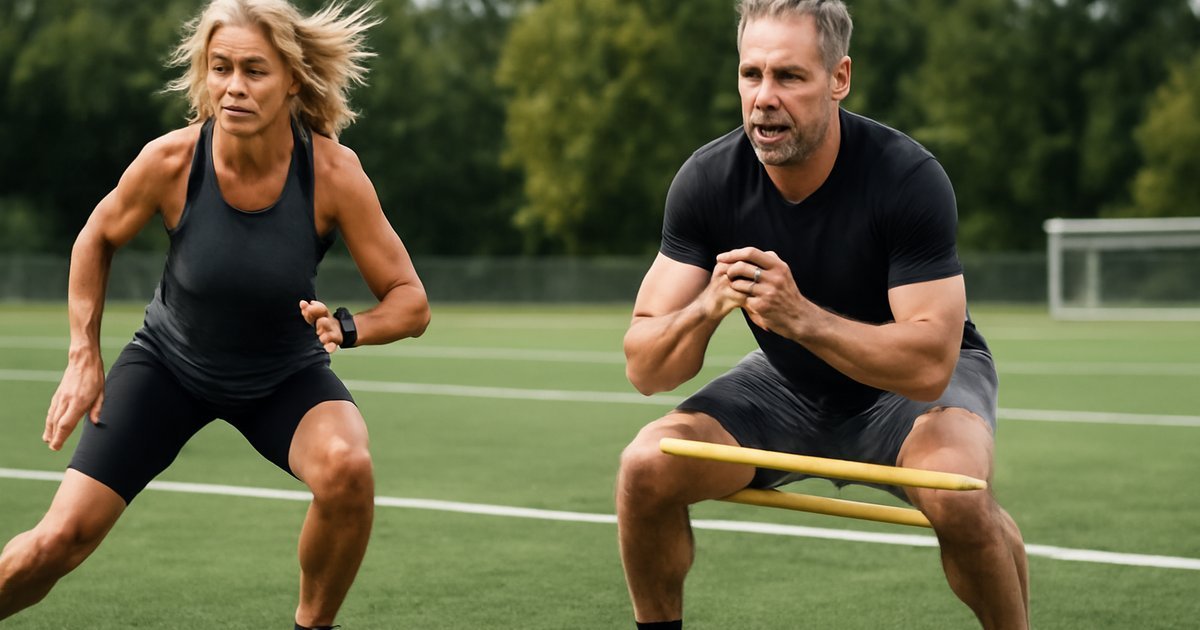
    • Lateral shuffle drills and cone agility patterns
    • Forearm and wrist strengthening for elbow injury prevention
    • Split squat jumps and lateral bounds for explosive leg power
    • High-intensity interval training to mimic the stop-start demands of rallying

    Running and 5K Racing

    Running is not just about logging miles. Research suggests that adults who incorporate strength training alongside running have significantly lower injury rates — particularly for common issues like IT band syndrome, plantar fasciitis, and shin splints. A sport-specific strength program for runners focuses on:

    • Single-leg deadlifts and step-ups for glute and hamstring strength
    • Calf raises and ankle mobility work for lower leg resilience
    • Hip flexor stretching to counteract seated posture
    • Core anti-rotation exercises for efficient stride mechanics

    For adults who enjoy high-intensity run training, you may find our guide on HIIT for Beginners: A Safe Start Guide for Adults Over 30 a valuable companion resource.

    Swimming

    Swimming builds cardiovascular fitness and upper body endurance, but competitive swimmers and lap swimmers alike often develop shoulder imbalances from repetitive overhead pulling. Sport-specific dry-land training for swimmers includes:

    • Scapular strengthening: prone Y-T-W exercises and face pulls
    • Lat pulldowns and cable rows for pull-phase power
    • Hip flexor and ankle dorsiflexion work for kick efficiency
    • Thoracic spine mobility to support freestyle and backstroke rotation

    Cycling

    Cyclists often develop tight hip flexors, weak glutes, and anterior knee pain from sustained time in the saddle. A targeted program should counteract these tendencies. Clinical evidence from Johns Hopkins suggests that addressing hip and knee alignment in cyclists significantly reduces patellofemoral (kneecap) pain. Recommended training includes:

    • Hip thrust and glute bridge variations
    • Standing quad stretches and couch stretch for hip flexor length
    • VMO (inner quad) activation through terminal knee extensions
    • Upper back strengthening to offset the forward cycling position

    How to Build Your Sport-Specific Training Program

    Building an effective program doesn’t require a professional sports performance facility. Most adults can design a solid sport-specific routine with basic gym equipment or dumbbells at home.

    Follow this four-step framework:

    Step 1 — Assess your sport’s demands. List the dominant movements your sport requires. Is it rotational? Explosive? Endurance-based? Lateral? This analysis shapes your exercise selection.

    Step 2 — Identify your personal weak links. Where do you feel most fatigued, stiff, or vulnerable during play? These areas guide your training priorities. A physical therapist or certified strength and conditioning specialist (CSCS) can perform a movement screen if you’re unsure.

    Step 3 — Structure your training week. Most adults training recreationally benefit from two to three sport-specific strength sessions per week, alongside their actual sport participation. Rest and recovery days are not optional — they’re where adaptation occurs.

    Step 4 — Periodize your training. Periodization means systematically varying your training intensity and volume over weeks and months. A simple model for recreational athletes: spend 4-6 weeks building a general strength base, then shift toward power and sport-specific movement for 4-6 weeks, then taper before your peak season. Research from the NIH confirms that periodized programs reduce injury risk and improve performance outcomes compared to non-periodized training.

    For adults who prefer structured group environments, building a gym routine that sticks can provide the accountability and variety that keep sport-specific training on track.

    Prevention and Longevity: Staying in the Game Longer

    One of the most powerful benefits of sport-specific training is long-term athletic longevity — the ability to keep doing what you love well into your 60s and 70s. The American College of Sports Medicine notes that adults who maintain sport participation throughout middle age have significantly lower rates of cardiovascular disease, depression, and cognitive decline.

    Key prevention strategies backed by clinical evidence include:

    • Progressive overload — gradually increase training stress to build resilience without triggering overuse injuries
    • Adequate warm-up — dynamic warm-ups that mirror sport movements reduce acute injury risk by up to 50%, according to FIFA’s 11+ research program, which has been validated across multiple sports and age groups
    • Prioritize sleep and recovery — the NIH identifies sleep as the single most important recovery tool, with adults needing 7-9 hours nightly for optimal tissue repair
    • Manage training load — more is not always better; sudden spikes in volume or intensity account for the majority of overuse injuries in recreational athletes
    • Stay flexible with your approach — this varies from person to person; listen to your body and adjust training when fatigue, soreness, or pain signals accumulate

    When to Call Your Doctor or Seek Professional Guidance

    Sport-specific training is generally safe for healthy adults, but there are important moments when medical input is essential.

    See your doctor before starting a new training program if:

    • You are over 40 and have been sedentary for more than a year
    • You have a known cardiovascular condition, diabetes, or joint disease
    • You take medications that affect heart rate, blood pressure, or balance
    • You have had a recent surgery or significant injury

    Seek prompt medical care if during or after training you experience:

    • Chest pain, pressure, or tightness — call 911 immediately
    • Sudden shortness of breath disproportionate to effort
    • Dizziness, fainting, or near-fainting episodes
    • Sharp joint pain, significant swelling, or inability to bear weight
    • Heart palpitations or irregular heartbeat during exercise

    These are red flags requiring immediate evaluation, not a reason to push through. Always err on the side of caution.

    For ongoing management, consider working with a certified strength and conditioning specialist (CSCS) or a sports physical therapist who can design and monitor your program with professional oversight.

    Frequently Asked Questions

    Q: Can adults over 50 safely do sport-specific training?
    Absolutely. Research suggests that adults over 50 respond well to targeted, periodized training — with appropriate adjustments for recovery time and exercise intensity. Clinical evidence from the NIH indicates that older adults who engage in structured strength and mobility training see meaningful improvements in functional capacity and injury resilience. Always consult your physician first if you have existing health conditions.

    Q: How often should I do sport-specific training sessions?
    Most recreational adult athletes benefit from two to three dedicated sport-specific strength sessions per week. This allows adequate recovery between sessions while providing enough stimulus for adaptation. This varies from person to person based on age, fitness level, and how many days per week they actually play their sport.

    Q: Do I need expensive equipment or a gym membership?
    No. Many sport-specific exercises can be performed with minimal equipment — resistance bands, a set of dumbbells, and your own bodyweight cover the vast majority of training needs. That said, a gym environment provides access to cable machines and heavier loads that may be beneficial for advanced programming.

    Q: What’s the difference between sport-specific training and general fitness?
    General fitness builds broad physical health — cardiovascular capacity, overall strength, and flexibility. Sport-specific training targets the exact movement patterns, muscle groups, and energy systems your chosen sport demands. Both have value; sport-specific training is a more tailored layer built on top of a solid general fitness base.

    Q: Should I stop playing my sport while doing sport-specific training?
    Generally, no. Sport-specific training is designed to complement your sport participation, not replace it. During high-intensity training phases, you may reduce sport volume slightly to manage overall load — but most recreational athletes can continue playing throughout their training program with smart scheduling.

    Conclusion

    Sport-specific fitness training is one of the most practical and motivating approaches to adult exercise — because it connects your workouts to something you genuinely enjoy. By understanding what your sport demands, identifying your personal weak links, and building a targeted, progressive program, you can move better, perform longer, and stay in the game through every decade of your life.

    The evidence is clear: recreational athletes who train with intention and specificity enjoy lower injury rates, better performance, and higher long-term adherence to physical activity. That’s a combination that pays dividends not just on the field or court — but across your entire health picture.

    Start with a conversation with your doctor, especially if you’re managing any chronic conditions. Then consider working with a qualified fitness professional to map your sport’s demands to a training plan built around you. Your best athletic years may still be ahead of you.


    Medical Disclaimer: This article is for informational and educational purposes only. It does not constitute medical advice, diagnosis, or treatment. Always consult your physician or a qualified healthcare provider before making changes to your health routine or treatment plan.

    Medically reviewed by our editorial health team. Content follows evidence-based standards aligned with CDC and NIH guidelines.

  • CrossFit for Adults: Benefits, Safety & How to Start

    CrossFit for Adults: Benefits, Safety & How to Start

    CrossFit has transformed from a niche training program into one of the most widely practiced fitness systems in the United States — but is it right for you?

    Mark, 47, had spent years on the treadmill with minimal results. His cardiologist told him he needed more muscle, better cardiovascular endurance, and less belly fat — but traditional gym routines never held his interest long enough. Then a coworker invited him to a CrossFit class. Six months later, his resting heart rate had dropped, his strength improved significantly, and for the first time in a decade, he actually looked forward to working out.

    According to the CDC, fewer than 25% of American adults meet both the aerobic and muscle-strengthening guidelines set by the Physical Activity Guidelines for Americans. CrossFit — a high-intensity functional fitness program that combines weightlifting, gymnastics, and cardiovascular conditioning — is one of the few training modalities designed to address all of these components simultaneously.

    In this guide, you’ll learn exactly what CrossFit is, what the research says about its health benefits, how to get started safely as an adult, and what warning signs to watch for along the way.

    What Is CrossFit?

    CrossFit is a branded, high-intensity fitness program developed in the early 2000s that combines elements of Olympic weightlifting, powerlifting, gymnastics, rowing, running, and aerobic conditioning. Workouts are typically short — 10 to 30 minutes — but extremely demanding, and they change daily through what practitioners call the “Workout of the Day,” or WOD.

    The program is built around ten recognized physical fitness domains: cardiovascular endurance, stamina, strength, flexibility, power, speed, coordination, agility, balance, and accuracy. This broad-spectrum approach makes CrossFit distinctly different from single-modality training like pure strength training or traditional cardio.

    According to CrossFit Inc., there are more than 15,000 affiliated gyms — called “boxes” — across the United States, making it one of the most widely distributed fitness programs in the country. Practitioners range from elite athletes to older adults managing chronic conditions, which speaks to its scalability.

    Every CrossFit workout is designed to be modified — or “scaled” — to fit individual ability levels. A 65-year-old beginner and a competitive athlete may follow the same WOD structure, but with completely different weights, movements, and intensity levels.

    Health Benefits Backed by Research

    CrossFit has generated a significant body of peer-reviewed research over the past decade. The findings are largely positive, particularly for adults in the 30-to-60 age range who are looking to improve multiple dimensions of health at once.

    • Cardiovascular health: A 2014 study published in the Journal of Strength and Conditioning Research found that 10 weeks of CrossFit training significantly improved VO2 max — a key measure of cardiovascular fitness — in both men and women across a range of fitness levels.
    • Body composition: Clinical evidence indicates that CrossFit’s combination of resistance and aerobic training is effective for reducing body fat percentage while preserving or increasing lean muscle mass.
    • Metabolic health: Research suggests that high-intensity functional training of the CrossFit variety can improve insulin sensitivity and support healthier blood glucose regulation, which is especially relevant for adults at risk of type 2 diabetes.
    • Bone density: The weightlifting component provides mechanical loading of the skeleton, which is a clinically recognized strategy for maintaining bone mineral density — a major concern for adults over 40, particularly women approaching menopause.
    • Mental health: Studies consistently show that high-intensity exercise reduces symptoms of anxiety and depression. The group-based, community-driven environment of CrossFit also provides social support, which the NIH identifies as a significant factor in long-term mental well-being.
    • Functional strength: Movements in CrossFit — squats, deadlifts, overhead presses — mirror everyday activities. Building strength in these patterns supports independence and reduces the risk of falls and injury as you age.

    It’s important to note: individual results vary considerably based on starting fitness level, consistency, nutrition, sleep, and recovery habits. CrossFit is not a guaranteed outcome — it is a framework for structured, progressive physical challenge.

    Is CrossFit Safe for Adults Over 30?

    Safety is the question most adults ask first — and it’s a fair one. CrossFit has historically been associated with a higher injury risk than some lower-intensity modalities, but the research paints a nuanced picture.

    A comprehensive 2018 review published in the Orthopaedic Journal of Sports Medicine found that CrossFit’s injury rate — approximately 2.1 injuries per 1,000 training hours — is comparable to or lower than Olympic weightlifting, powerlifting, and recreational distance running. The most common injury sites are the shoulder, lower back, and knee.

    Most physicians and sports medicine specialists agree: CrossFit is not inherently dangerous, but it requires proper coaching, gradual progression, and honest self-awareness about your physical limitations. The risks rise significantly when:

    • You push through pain rather than appropriate effort
    • You skip the foundational training and jump into advanced movements
    • You train with poor technique at high loads or speeds
    • You ignore recovery between sessions
    • You have unmanaged joint conditions, cardiovascular disease, or orthopedic issues you haven’t disclosed to a coach or physician

    One rare but serious concern is rhabdomyolysis — a condition where muscle fibers break down and release proteins into the bloodstream that can damage the kidneys. This is most likely when a highly deconditioned person undergoes extreme, sudden overexertion. Recognizing the early signs (muscle soreness far beyond normal, dark-colored urine, swelling) and seeking immediate medical attention is critical.

    For the majority of generally healthy adults, CrossFit — when introduced properly and progressed gradually — is a safe and effective training approach.

    Who Should Get Medical Clearance First

    Before beginning CrossFit or any high-intensity exercise program, most physicians recommend a pre-participation health evaluation if you fall into any of these categories:

    • Age 45 or older and previously sedentary
    • Diagnosed cardiovascular disease, hypertension, or arrhythmia
    • Type 1 or type 2 diabetes
    • Chronic joint conditions such as osteoarthritis or previous orthopedic surgery
    • Obesity (BMI over 30) with associated metabolic conditions
    • History of back injuries or herniated discs
    • Pregnancy or recent postpartum recovery
    • Any condition for which you currently take prescription medication

    The American College of Sports Medicine (ACSM) recommends that adults with multiple cardiovascular risk factors undergo an exercise stress test before beginning vigorous-intensity training programs. This is a conversation worth having with your primary care physician before your first CrossFit class.

    How to Get Started: A Practical Roadmap

    Starting CrossFit as an adult doesn’t mean walking into the most intense class on day one. A strategic, informed approach will dramatically improve both your safety and your long-term results.

    Step 1: Find an accredited CrossFit affiliate. Look for a gym (called a “box”) with CrossFit Level 2 or higher certified coaches. These coaches have demonstrated competency in movement assessment, programming, and scaling. Avoid gyms that rush you into group classes without any individual assessment.

    Step 2: Complete a fundamentals or on-ramp program. Most reputable CrossFit affiliates offer a beginner program — typically 3 to 6 sessions — where you learn foundational movements: the squat, deadlift, press, clean, and basic gymnastics positions. This phase is non-negotiable for adult beginners.

    Step 3: Communicate your health history openly. Tell your coach about any injuries, chronic conditions, surgical history, or movement limitations. A good coach will modify every workout accordingly without judgment.

    Step 4: Scale aggressively at first. Ego is the most common source of injury in CrossFit. Use lighter weights, simpler movement variations, and lower volume than you think you need during your first several weeks. Your body needs time to adapt to the novel demands.

    Step 5: Start with 2-3 sessions per week. For adults new to high-intensity training, research suggests that two to three sessions per week provides sufficient stimulus for meaningful adaptation while allowing adequate recovery. More is not better in the early phases.

    Step 6: Prioritize sleep and nutrition. CrossFit’s high metabolic demands require adequate protein intake (most sports dietitians recommend 1.2 to 1.6 grams per kilogram of body weight for active adults), carbohydrate replenishment, and seven to nine hours of sleep for optimal recovery. If you’re also interested in building complementary strength, consider reading our guide on Dumbbell Training for Adults to supplement your CrossFit programming on recovery days.

    What a Typical CrossFit Class Looks Like

    Understanding the structure of a CrossFit class can reduce anxiety for first-timers and help you know what to expect before you walk through the door.

    Most one-hour CrossFit sessions follow this general format:

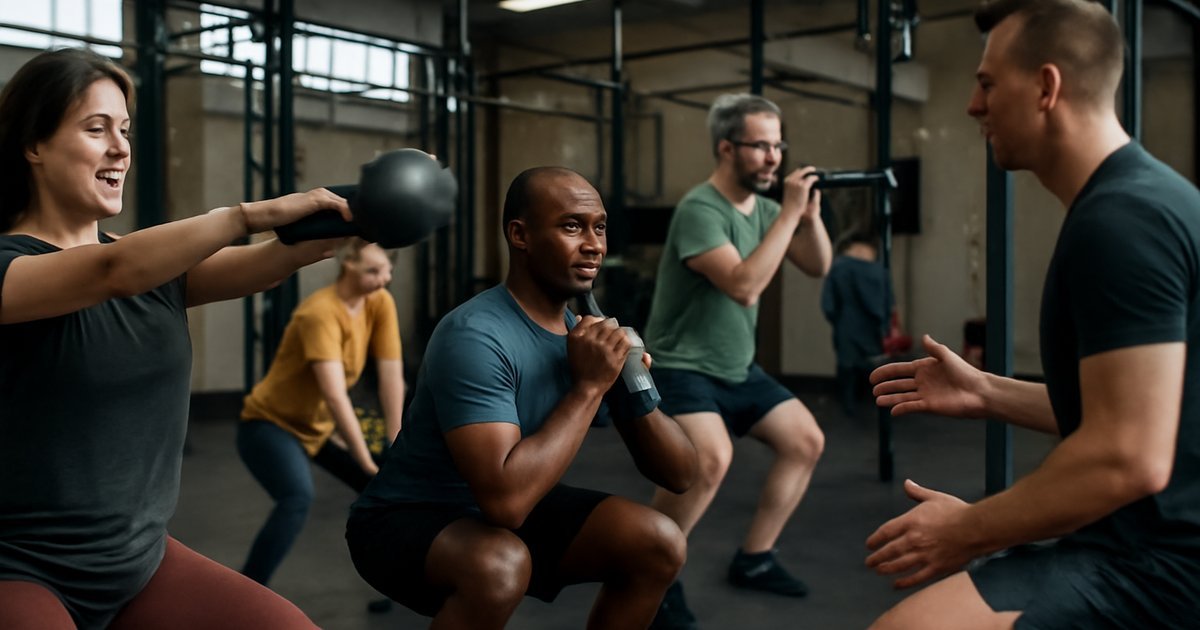
    • Warm-up (10-15 minutes): Dynamic movement preparation, mobility work, and general cardiovascular priming — often includes light jogging, jumping jacks, and movement-specific drills.
    • Skill or strength work (15-20 minutes): Focused practice on a specific lift (such as the back squat or barbell clean) or a gymnastics skill (such as pull-up progressions). This section typically involves coaching on technique and progressive loading.
    • Workout of the Day — WOD (8-20 minutes): The main event. This is where the high-intensity conditioning happens. WODs are timed, scored by weight moved, rounds completed, or repetitions achieved. Common formats include AMRAP (as many rounds as possible), EMOM (every minute on the minute), and For Time.
    • Cool-down (5-10 minutes): Static stretching, breathing exercises, and brief class debrief.

    The community aspect is real and meaningful. Most CrossFit classes cheer each other on, which many participants report as a major motivator — particularly adults who have struggled with consistency in solo gym environments.

    Living With CrossFit Long-Term: Sustainability Tips

    For adults who want CrossFit to be a sustainable long-term practice rather than an intense but short-lived phase, a few clinical and behavioral principles make a significant difference.

    Respect your recovery. The NIH and sports medicine research consistently show that inadequate recovery between sessions is the primary driver of overtraining syndrome and injury accumulation. Incorporate at least one to two complete rest days per week, and consider active recovery activities — gentle walking, light yoga, or foam rolling — on non-training days. Our article on Hiking for Fitness and Health outlines excellent low-intensity options that complement CrossFit training.

    Periodize your training. CrossFit programming in well-coached environments includes planned variation in volume and intensity. If you’re following a reputable affiliate’s programming, trust the process — avoid adding extra intense sessions on top of an already demanding schedule.

    Monitor your body’s signals. Distinguish between the normal discomfort of productive effort — burning muscles, elevated heart rate, temporary fatigue — and the warning signals of impending injury: sharp joint pain, grinding sensations, numbness, or pain that worsens with movement.

    Adjust as you age. Adults over 50 may find that recovery takes longer, that certain high-impact movements need modification, and that mobility work becomes increasingly important. This is normal physiology, not a reason to stop — it’s a reason to train smarter. For additional age-appropriate exercise strategies, our guide on HIIT for Beginners Over 30 provides useful context on intensity management for this population.

    When to Call Your Doctor — Red Flags to Watch For

    CrossFit is physically demanding, and knowing when symptoms cross from normal training response into a medical concern can be life-saving. Seek immediate medical attention if you experience:

    • Chest pain, tightness, or pressure during or after exercise — this is a potential cardiac emergency
    • Dizziness, fainting, or near-fainting during exercise
    • Shortness of breath disproportionate to effort or inability to catch your breath after stopping
    • Dark brown or cola-colored urine within 24-48 hours of intense exercise — a potential sign of rhabdomyolysis
    • Sudden severe joint pain, particularly in the shoulder, knee, or lower back with loss of range of motion
    • Heart palpitations or irregular heartbeat during or after training

    At your next scheduled physician visit, share the following:

    • That you are participating in high-intensity functional training
    • Your current frequency, duration, and intensity level
    • Any persistent soreness, joint discomfort, or fatigue that hasn’t resolved with rest
    • Any changes in blood pressure, blood glucose (if diabetic), or medications that may affect your exercise tolerance

    Frequently Asked Questions About CrossFit for Adults

    Is CrossFit appropriate for adults over 50?
    Yes, with appropriate scaling and medical clearance where indicated. Many CrossFit affiliates have dedicated masters programming for athletes over 40 and 50. Clinical evidence indicates that resistance and high-intensity training offer particular benefits for older adults, including preservation of muscle mass, bone density, and functional independence. The key is working with experienced coaches who can modify movements appropriately for your fitness level and any physical limitations.

    How long before I see results from CrossFit?
    Most adults report noticeable improvements in energy, endurance, and functional strength within four to eight weeks of consistent training (two to three sessions per week). Body composition changes typically become visible at the eight-to-twelve week mark, though this varies considerably based on nutrition, sleep, starting fitness level, and hormonal factors. This varies from person to person.

    Can I do CrossFit if I have a bad back or knee problems?
    Possibly, but only with explicit clearance from your physician or physical therapist and open communication with your CrossFit coach. Many foundational CrossFit movements can be modified to reduce spinal loading or knee stress. However, attempting to push through structural joint problems without professional guidance significantly increases injury risk. Always get a proper assessment before assuming you can or cannot participate.

    How does CrossFit compare to traditional strength training or cardio?
    CrossFit simultaneously targets cardiovascular endurance and muscular strength, making it time-efficient for adults with busy schedules. Traditional strength training allows for more precise progressive overload and may be superior for pure muscle hypertrophy goals. Traditional cardio (running, cycling) may offer lower injury risk for deconditioned beginners. Research suggests that CrossFit produces comparable or superior results to traditional training for overall fitness outcomes when performed consistently over 12 or more weeks.

    Is CrossFit expensive?
    CrossFit gym memberships typically range from $100 to $250 per month in the United States, which is higher than standard gym memberships. However, this cost includes daily programming, professional coaching, and class-based accountability — services that would cost considerably more if purchased separately as personal training sessions. Many adults find the coached, community-based structure worth the premium cost for consistency and safety reasons.

    Final Thoughts

    CrossFit is not a perfect system for every adult, but for millions of Americans, it has proven to be a uniquely effective way to address cardiovascular health, muscular strength, metabolic function, and mental well-being within a single, community-supported training framework.

    Like any high-intensity exercise program, success depends on starting appropriately, progressing gradually, communicating openly with coaches and healthcare providers, and respecting your body’s recovery needs. The research is encouraging, the community is real, and the potential benefits — stronger bones, healthier heart, better glucose control, improved mood — are clinically meaningful.

    If you’ve been looking for a training approach that challenges you comprehensively without the monotony of isolated exercises, CrossFit may be worth exploring. Just get your physician’s input first, find a reputable affiliate with qualified coaches, and give yourself the grace to start where you are — not where you think you should be.


    Medical Disclaimer: This article is for informational and educational purposes only. It does not constitute medical advice, diagnosis, or treatment. Always consult your physician or a qualified healthcare provider before making changes to your health routine or treatment plan.

    Medically reviewed by our editorial health team. Content follows evidence-based standards aligned with CDC and NIH guidelines.
  • Boxing Fitness for Adults: Benefits, Workouts & How to Start

    Boxing Fitness for Adults: Benefits, Workouts & How to Start

    Boxing fitness isn’t just for fighters — it’s one of the most complete, evidence-backed workouts available for adults who want to build strength, improve heart health, and sharpen mental focus.

    Mark, 47, hadn’t exercised consistently in years. His doctor warned him about rising blood pressure and a growing waistline. A friend suggested he try a boxing fitness class at a local gym. Within eight weeks, Mark had lost 14 pounds, brought his resting heart rate down by 11 beats per minute, and — for the first time in years — actually looked forward to working out.

    His story isn’t unique. According to the American Heart Association, fewer than 25% of U.S. adults meet the recommended guidelines for both aerobic and muscle-strengthening activity each week. Many people struggle not because they lack willpower, but because they haven’t found a workout they enjoy enough to stick with.

    Boxing fitness — sometimes called cardio boxing or fitness boxing — may be exactly what millions of inactive adults need. This guide covers everything you need to know: what boxing fitness is, its science-backed health benefits, how to get started safely, and how to build a routine that actually works for your body and your schedule.

    What Is Boxing Fitness?

    Boxing fitness is a non-contact, workout-based adaptation of the sport of boxing. It incorporates the training methods used by competitive boxers — punching bags, shadowboxing, footwork drills, and combination sequences — without the sparring or competitive fighting component.

    You don’t need to take a punch or fight anyone. Instead, you punch mitts, heavy bags, or just the air, following structured combinations while moving your feet and engaging your entire body.

    It’s offered in several formats:

    • Group fitness boxing classes (like cardio kickboxing or boxing boot camps)
    • One-on-one sessions with a boxing coach or personal trainer
    • Home workouts using a freestanding bag, resistance bands, or online video programs
    • Hybrid gym programs that blend boxing with circuit training or strength work

    According to the American College of Sports Medicine (ACSM), boxing-based exercise programs qualify as vigorous-intensity aerobic activity — placing them among the most effective categories of exercise for cardiovascular and metabolic health.

    Health Benefits of Boxing Fitness for Adults

    Boxing fitness delivers an impressive range of physical and mental health benefits that are well-supported by clinical research. Here’s what the evidence shows.

    Cardiovascular Health

    A 2023 study published in the Journal of Strength and Conditioning Research found that participants in a 12-week boxing fitness program experienced significant improvements in VO2 max — the measure of how efficiently your body uses oxygen during exercise. Higher VO2 max is directly linked to lower risk of heart disease, stroke, and premature death.

    The interval-based nature of boxing — bursts of intense punching followed by brief recovery periods — closely mirrors the structure of high-intensity interval training (HIIT), which the NIH recognizes as highly effective for improving cardiovascular function in adults of all ages.

    Caloric Burn and Weight Management

    Harvard Health Publishing estimates that a 155-pound adult can burn approximately 420–500 calories in a 60-minute boxing fitness session — comparable to running at a moderate pace. This makes it one of the more calorie-dense exercise options available, particularly valuable for adults managing their weight alongside other chronic conditions.

    Full-Body Muscle Engagement

    Unlike isolated exercises, boxing fitness simultaneously activates your legs (footwork and stance), core (rotation and stabilization), shoulders, arms, and back (punching mechanics). Clinical evidence indicates that multi-joint, full-body movement patterns build functional strength more efficiently than single-joint isolation exercises for most adults.

    Bone Density and Joint Health

    The CDC notes that osteoporosis affects approximately 10 million Americans, and another 44 million have low bone density. The resistance involved in striking a heavy bag and the weight-bearing nature of boxing footwork provide a bone-loading stimulus that can help support bone mineral density, particularly in the wrists, arms, and spine.

    Mental Health and Cognitive Benefits

    Boxing fitness has a growing evidence base for mental well-being. A 2022 review in Frontiers in Psychology found that regular boxing-based exercise reduced self-reported anxiety and depressive symptoms in adults aged 35–65. Researchers attribute this to both the physiological effects of vigorous exercise (endorphin release, stress hormone reduction) and the psychological benefit of learning a skill-based activity.

    The combination of memorizing punch combinations, timing, and footwork also provides meaningful cognitive engagement — important for long-term brain health as we age.

    Signs That Boxing Fitness Might Be Right for You

    Boxing fitness is a versatile activity, but it’s worth understanding who tends to benefit most and what early signs of readiness look like.

    You may be a good candidate if you:

    • Find traditional cardio (treadmill, elliptical) monotonous or hard to sustain
    • Want a workout that builds both endurance and upper-body strength simultaneously
    • Prefer goal-oriented, skill-based activities
    • Have a history of stress, anxiety, or difficulty managing frustration
    • Are looking for a social, high-energy fitness environment
    • Want to improve your coordination, balance, and reaction time

    Consider alternatives or modifications if you have:

    • Untreated hypertension or recent cardiac events (get medical clearance first)
    • Significant shoulder, wrist, or elbow injuries
    • Severe osteoporosis or advanced joint disease
    • Recent surgery or acute injury

    This varies from person to person — always speak with your physician before beginning a vigorous new exercise program, especially if you’re managing a chronic condition.

    Getting Started: What You Need to Know

    Equipment Basics

    You don’t need a full boxing gym to get started. Here’s a practical starter list:

    • Hand wraps: Essential for wrist and knuckle support. 180-inch cotton wraps are standard.
    • Boxing gloves: 12–16 oz gloves are appropriate for bag work. Heavier gloves provide more resistance and arm engagement.
    • A heavy bag or freestanding bag: Optional for home workouts. Shadowboxing (punching air) requires no equipment at all.
    • Athletic shoes: Cross-trainers with lateral support work well. Dedicated boxing shoes are ideal but not required.
    • Water and a heart rate monitor: Especially important for adults managing blood pressure or cardiovascular conditions.

    The Four Basic Punches

    Boxing fitness is built around four foundational punch types. Learning these correctly reduces injury risk and maximizes workout effectiveness:

    • Jab: A quick, straight punch with your lead hand. Low power, high speed.
    • Cross: A powerful straight punch with your rear hand, driven by hip rotation.
    • Hook: A horizontal punch that arcs inward, engaging the core and shoulder.
    • Uppercut: An upward-angled punch targeting the chin, powered by leg drive and trunk rotation.

    Most beginner programs use numbered combinations (e.g., “1-2” means jab-cross). This number system helps build coordination and rhythm quickly.

    Sample Beginner Boxing Fitness Workout (30 Minutes)

    This workout is appropriate for most healthy adults aged 30–60 who are new to boxing fitness. Modify intensity as needed.

    Warm-Up (5 minutes):
    Light jogging in place, arm circles, shoulder rolls, hip rotations, and shadowboxing at very low intensity.

    Main Workout (20 minutes — 4 rounds of 3 minutes, with 1-minute rest):

    • Round 1: Jab-cross combinations (1-2), focusing on form. Stay on your toes and keep your guard up.
    • Round 2: Add a hook after the cross (1-2-3). Rotate your hips fully on the hook.
    • Round 3: Mix in defensive movement — step left, step right, duck, then punch.
    • Round 4: Free combination round. Mix all four punches, vary your rhythm, and increase intensity.

    Cool-Down (5 minutes):
    Slow shadowboxing, deep breathing, shoulder stretches, wrist circles, and hamstring stretches.

    As your fitness improves, gradually extend rounds to 4–5 minutes or add more rounds. For a high-intensity approach, consider pairing boxing rounds with jump rope or bodyweight exercises between rounds — a format similar to HIIT training principles for beginners.

    Building a Weekly Boxing Fitness Routine

    The NIH and American College of Sports Medicine recommend that adults aim for at least 150 minutes of moderate-intensity or 75 minutes of vigorous-intensity aerobic activity per week, plus two or more days of muscle-strengthening activity.

    Boxing fitness easily satisfies both requirements in a single session. Here’s a practical weekly framework:

    Beginners (3 days/week):
    Monday, Wednesday, Friday — 30-minute boxing fitness sessions with full rest days between sessions. Allow your shoulders and wrists to recover fully in the first 4 weeks.

    Intermediate (4 days/week):
    Two boxing days, one strength training day (such as dumbbell training for adults), one active recovery day (walking or stretching). This combination builds power, endurance, and resilience across multiple fitness domains.

    Advanced (5 days/week):
    Three boxing days, one strength day, one cardio-only day (cycling, swimming, or speed walking). Keep at least one full rest day per week.

    Regardless of your level, progressive overload applies — gradually increase round length, number of rounds, or punch intensity over weeks rather than all at once.

    Safety Tips and Injury Prevention

    Boxing fitness is generally considered low-risk when practiced correctly. Most injuries among recreational participants involve the wrists, shoulders, and lower back — nearly all preventable with proper technique and preparation.

    Key safety practices:

    • Always wrap your hands before putting on gloves. Hand wraps stabilize the small bones of the wrist and hand.
    • Never lock your elbows at full extension when punching. Maintain a slight bend to protect your joint.
    • Engage your core during every punch. A weak, unbraced core puts significant strain on your lower back.
    • Start with shadowboxing before moving to bag work. Shadowboxing lets you learn technique without impact stress.
    • Warm up every session — cold muscles and connective tissue are far more prone to strains.
    • Monitor your heart rate. Most vigorous exercise should keep your heart rate between 70–85% of your maximum (roughly 220 minus your age). If you feel dizzy, chest pain, or shortness of breath that seems disproportionate, stop immediately.

    If you’re interested in combining boxing with other complementary training modalities, circuit training for adults integrates naturally with boxing-based interval work and provides additional variety to your weekly routine.

    When to Call Your Doctor / Emergency Signs

    Boxing fitness is vigorous exercise, and like any high-intensity activity, it places real demands on your cardiovascular and musculoskeletal systems. Know the difference between normal exertion and warning signs that require attention.

    Seek emergency care immediately if you experience:

    • Chest pain, pressure, or tightness during or after exercise
    • Sudden shortness of breath that doesn’t resolve with rest within 2–3 minutes
    • Dizziness, fainting, or loss of balance not related to normal exertion
    • Heart palpitations that feel irregular, rapid, or concerning
    • Sudden severe pain in any joint or muscle

    Schedule a doctor’s visit before starting if you:

    • Have been diagnosed with high blood pressure, heart disease, or diabetes
    • Are over 50 and have been sedentary for more than 6 months
    • Have a history of shoulder dislocation, rotator cuff injury, or wrist fracture
    • Are currently taking medications that affect heart rate or blood pressure

    Talk to your doctor at your next visit about:

    • Any persistent wrist, elbow, or shoulder discomfort after boxing sessions
    • Fatigue that extends beyond 24–48 hours after exercise
    • Whether boxing fitness is appropriate given your current medications and health status

    Frequently Asked Questions About Boxing Fitness

    Is boxing fitness safe for adults over 50?
    Clinical evidence suggests yes — with appropriate modifications. Research supports boxing-based exercise for older adults as a means of improving balance, cognitive function, and cardiovascular health. The key is starting at lower intensity, prioritizing form over power, and using lighter gloves or shadowboxing if wrist or shoulder concerns exist. Always get clearance from your physician first.

    How quickly will I see results from boxing fitness?
    Most participants report noticeable improvements in energy, mood, and endurance within 3–4 weeks of consistent training (3 sessions per week). Measurable cardiovascular improvements, as seen in clinical studies, typically emerge over 8–12 weeks. Weight and body composition changes vary based on diet and overall activity level.

    Do I need to know how to box to take a class?
    Absolutely not. The vast majority of group fitness boxing classes are designed specifically for beginners with no prior martial arts or boxing experience. Instructors walk participants through combinations in real time. Many people complete an entire beginner program without ever needing more technical instruction than the class provides.

    Can boxing fitness help with stress and anxiety?
    Research suggests it can be particularly effective. Studies indicate that vigorous physical activity reduces levels of cortisol (the primary stress hormone) and increases endorphin activity. The skill-based, rhythmic nature of boxing also provides a form of active mindfulness — many participants describe it as “impossible to think about anything else while doing it,” which can provide meaningful mental relief.

    What if I have joint pain — can I still try boxing fitness?
    This varies from person to person and depends heavily on which joints are affected and the underlying cause. Shadowboxing and light bag work generally place less stress on the knees and hips than running. However, individuals with significant wrist arthritis, shoulder impingement, or elbow problems should consult an orthopedic specialist or physical therapist before beginning. Modified programs that reduce impact and range of motion can often accommodate many joint concerns.

    Conclusion

    Boxing fitness stands out among adult exercise options precisely because it delivers cardiovascular conditioning, full-body strength, coordination training, and mental health benefits in a single, engaging format. For adults aged 30 to 70 who struggle to sustain conventional workouts, it offers something genuinely different — a sense of skill, accomplishment, and physical challenge that makes consistency far easier to maintain.

    The evidence is clear: regular vigorous exercise reduces risk of heart disease, supports healthy weight, strengthens bone, and improves mental well-being. Boxing fitness is a well-validated path to all of those outcomes.

    Start where you are. Three 30-minute sessions a week, wrapped hands, a beginner’s mind, and medical clearance if you need it. That’s all it takes to begin.

    This article is for informational and educational purposes only. It does not constitute medical advice, diagnosis, or treatment. Always consult your physician or a qualified healthcare provider before making changes to your health routine or treatment plan.

    Medically reviewed by our editorial health team. Content follows evidence-based standards aligned with CDC and NIH guidelines.
  • TRX Suspension Training: Benefits, Workouts & How to Start

    TRX Suspension Training: Benefits, Workouts & How to Start

    One piece of equipment. Your entire body as resistance. Science-backed results for adults at every fitness level.

    Introduction

    Mark, 52, spent years avoiding the gym because every machine felt foreign and intimidating. Then his physical therapist handed him two nylon straps anchored to a door frame and told him to start there. Six months later, his back pain had decreased, his posture had improved, and he was stronger than he had been in his thirties.

    Mark’s experience is far from unique. According to the CDC, only about 24 percent of American adults meet the recommended guidelines for both aerobic and muscle-strengthening activity. For many people aged 30 to 70, the barrier isn’t motivation — it’s finding the right entry point.

    TRX suspension training offers exactly that. Using adjustable straps anchored to a fixed point, this system lets you use your own body weight as resistance, scaling every exercise instantly by adjusting your angle. In this guide, you’ll learn what TRX training is, what the research says about its benefits, how to get started safely, and what to expect as you progress.

    What Is TRX Suspension Training?

    TRX — which stands for Total Body Resistance Exercise — is a form of suspension training that uses two adjustable nylon straps with handles and foot cradles. One end anchors to a stable overhead structure such as a door, beam, or wall mount. You then use your own body weight and gravity as resistance by adjusting the angle at which you hold or support yourself.

    Originally developed by US Navy SEAL Randy Hetrick in the late 1990s as a portable fitness solution for military deployment, TRX was later commercialized and has since become a staple in physical therapy clinics, hospital wellness programs, and mainstream gyms across the country.

    The key feature that distinguishes suspension training from conventional resistance training is instability. Because the straps move freely, your stabilizing muscles — the smaller, deeper muscles that support your joints and spine — must engage continuously throughout each movement. This makes suspension training particularly effective for building functional strength, improving balance, and reducing injury risk.

    According to the American Council on Exercise (ACE), TRX training activates core musculature at significantly higher rates than many traditional mat-based exercises, even during movements that don’t appear to target the core directly.

    Health Benefits Backed by Evidence

    TRX suspension training is not a fitness trend. A growing body of peer-reviewed research supports its use across a wide range of health and fitness goals, particularly for adults in their middle and later years.

    Full-Body Strength Without Heavy Loads

    One of the most clinically significant advantages of suspension training is that it builds meaningful muscle strength without requiring heavy external weights. This is especially important for adults over 40, who may have joint sensitivities, osteoporosis concerns, or orthopedic contraindications that make traditional barbell or machine training risky.

    A 2017 study published in the Journal of Human Kinetics found that eight weeks of TRX training produced significant improvements in muscular strength and endurance in sedentary adults, comparable to traditional resistance training protocols.

    Core Stability and Spinal Health

    The NIH classifies lower back pain as one of the leading causes of disability in the United States, affecting roughly 80 percent of Americans at some point in their lives. Suspension training’s inherent demand for spinal stabilization makes it a clinically useful tool for prevention and rehabilitation.

    Research suggests that TRX exercises activate the transverse abdominis and multifidus — two deep spinal stabilizer muscles — more effectively than many conventional core exercises. Physical therapists and orthopedic specialists at institutions such as the Cleveland Clinic have incorporated TRX-based movements into rehabilitation programs for lumbar spine conditions.

    Cardiovascular Conditioning

    When performed in circuit format with minimal rest between exercises, TRX training can elevate heart rate into cardio training zones. A study from the University of Wisconsin found that a 60-minute TRX suspension training class elevated participants’ average heart rate to approximately 73 percent of maximum — well within the American Heart Association’s recommended aerobic training range.

    Balance and Fall Prevention

    The CDC reports that falls are the leading cause of injury-related death among adults 65 and older. Suspension training, because it continuously challenges proprioception (your body’s sense of position) and single-leg stability, is a clinically supported strategy for fall prevention. Clinical evidence indicates that TRX-based balance work improves postural control in older adults after just six to eight weeks of consistent training.

    Flexibility and Mobility

    Many TRX exercises incorporate active stretching through a full range of motion — the TRX Hamstring Stretch, TRX Hip Hinge, and TRX Squat all promote joint mobility while simultaneously building strength. This dual effect makes suspension training particularly efficient for time-pressed adults who want to address both flexibility and strength in a single session.

    Who Is TRX Training For?

    One of TRX’s most underappreciated advantages is its scalability. A complete beginner and a seasoned athlete can perform the exact same exercise — one standing more upright (less resistance) and one at a sharper angle (more resistance). This makes it appropriate for a remarkably broad population.

    • Adults returning to exercise after a long break — The low-impact nature reduces injury risk during reconditioning.
    • Adults with joint issues or mild arthritis — Body-weight loading is more forgiving than external weights.
    • Adults recovering from injury — With physician or physical therapist clearance, TRX is widely used in post-surgical and orthopedic rehab.
    • Active adults seeking variety — TRX complements existing gym routines and outdoor fitness activities.
    • Travelers and those with limited space — The entire system weighs under two pounds and fits in a carry-on bag.

    This varies from person to person. If you have a diagnosed musculoskeletal condition, cardiovascular disease, or balance disorder, consult your physician before starting any new exercise program, including suspension training.

    Getting Started: Equipment and Setup

    What You Need

    The basic TRX Suspension Trainer retails between $150 and $200 and includes the straps, an anchor system, a door anchor, and an app with guided workouts. More affordable third-party suspension trainers are available, though quality and safety ratings vary. Look for systems rated to hold at least 350 pounds of dynamic load.

    Safe Anchoring

    Anchor safety is non-negotiable. Use a solid structural beam, a properly rated door anchor, or a wall-mounted anchor point. Never anchor to a hollow door, curtain rod, or furniture. Most TRX injuries are not caused by the exercise itself but by anchor failure.

    Adjusting Length and Difficulty

    Every TRX exercise can be made easier or harder by changing your body angle:

    • More upright position = less body weight on the straps = easier
    • More horizontal position = more body weight on the straps = harder
    • Single-leg stance = increased instability challenge

    This means you should never feel locked into a difficulty level that is unsafe. Progress gradually as your strength and confidence improve.

    Beginner TRX Workout Routine

    The following routine is appropriate for most healthy adults beginning TRX training. Perform 2-3 times per week with at least one rest day between sessions. Aim for 2 to 3 sets of 10 to 15 repetitions of each exercise, or 30 to 45 seconds of sustained effort.

    1. TRX Squat — Holding handles at chest height, lower into a squat. The straps assist you up, reducing knee strain. Targets quads, glutes, and core.
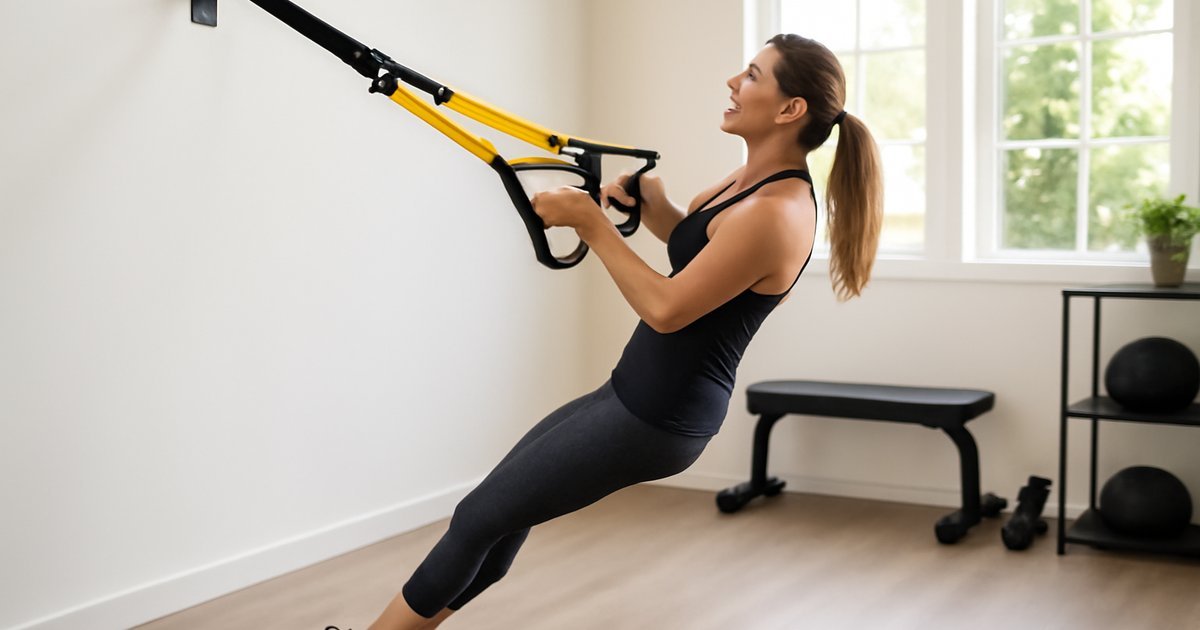
    2. TRX Row — Lean back with arms extended, then pull your chest to your hands. Targets upper back, biceps, and rear shoulders. Excellent posture correction exercise.
    3. TRX Push-Up — Feet in cradles or hands in handles. A TRX push-up engages significantly more core than a floor push-up.
    4. TRX Lunge — One foot in the cradle behind you, lower into a split squat. Builds single-leg strength and hip stability.
    5. TRX Plank — Feet in cradles, hold a forearm or extended plank position. The instability dramatically increases core demand.
    6. TRX Hip Hinge — Standing hinge at the hips with strap support, excellent for lower back health and hamstring strengthening.
    7. TRX Hamstring Curl — Lying on your back, heels in cradles, lift hips and curl heels toward glutes. Targets posterior chain.

    As you progress, you can incorporate intermediate moves such as the TRX Pistol Squat, TRX Atomic Push-Up, TRX Pike, and TRX Power Pull. These movements demand greater strength, stability, and coordination and should be introduced gradually. If you are new to exercise altogether, consider reading our guide on building a consistent gym routine for foundational principles before adding suspension work.

    TRX Training and Specific Health Conditions

    Hypertension

    The American Heart Association recommends muscle-strengthening activities at least two days per week as part of a comprehensive cardiovascular health plan. TRX training qualifies and, when performed at moderate intensity, is generally well-tolerated by adults with controlled hypertension. Research suggests that resistance training can help lower resting blood pressure over time. Always consult your cardiologist or primary care physician before starting a new resistance program if you have diagnosed high blood pressure.

    Type 2 Diabetes

    Muscle tissue is a primary site of glucose uptake. Building and maintaining lean muscle mass through resistance exercise such as TRX training is clinically associated with improved insulin sensitivity. The American Diabetes Association specifically endorses resistance training as part of the standard of care for type 2 diabetes management. Monitor blood glucose levels before and after new exercise sessions, and carry a fast-acting carbohydrate source.

    Osteoporosis and Bone Density

    While high-impact activities like jumping are more directly osteogenic (bone-building), resistance training does exert mechanical stress on bone tissue that research suggests supports bone mineral density maintenance. For adults with diagnosed osteoporosis, TRX’s controllable loading makes it a safer alternative to heavy barbell training, though you should work with your physician to confirm appropriate exercise selection. You can also explore our guide on bone-loading exercise options for adults for complementary strategies.

    Common Mistakes to Avoid

    • Skipping the warm-up — Always spend five to ten minutes mobilizing your joints before using suspension straps.
    • Locking your elbows or knees — Keep a slight bend in all joints to protect cartilage and connective tissue.
    • Letting the straps go slack mid-movement — Maintain consistent tension to protect your shoulders and elbows.
    • Progressing too quickly — Instability training places unique demands on stabilizer muscles. Give them time to adapt before increasing difficulty.
    • Ignoring pain signals — Discomfort from muscle fatigue is normal; sharp, joint-localized pain is not. Stop and assess.

    For adults who want to complement their TRX work with additional strength tools, dumbbell training pairs exceptionally well with suspension training for a comprehensive home gym setup.

    When to Call Your Doctor or Seek Immediate Care

    Most healthy adults can begin a supervised TRX program without special medical clearance. However, you should speak with your physician before starting if you have:

    • Uncontrolled hypertension (blood pressure consistently above 180/120)
    • Recent heart attack, stroke, or cardiac procedure within the past six months
    • Diagnosed rotator cuff tear, severe spinal stenosis, or active herniated disc
    • Balance disorders, severe vertigo, or a history of multiple falls
    • Pregnancy or recent childbirth (postpartum clearance required)

    Seek emergency care immediately if during or after exercise you experience:

    • Chest pain, pressure, or tightness
    • Sudden severe shortness of breath disproportionate to exertion
    • Dizziness, loss of consciousness, or near-fainting
    • Sudden weakness or numbness in an arm or leg
    • Severe, sudden-onset joint pain

    Frequently Asked Questions

    Is TRX training safe for older adults?

    Yes, when properly supervised and appropriately scaled. Clinical evidence from rehabilitation settings indicates that suspension training is safe and effective for adults well into their 60s and 70s, particularly for balance improvement and functional strength. The adjustable resistance makes it safer than fixed-load equipment for beginners. Always obtain physician clearance if you have significant health conditions.

    How quickly will I see results from TRX training?

    Most research suggests that noticeable improvements in strength, endurance, and body composition can appear within four to eight weeks of consistent training two to three times per week. This varies from person to person depending on baseline fitness, nutrition, sleep, and other lifestyle factors. Early improvements in core stability and balance may be felt even sooner.

    Can I use TRX training to lose weight?

    TRX training contributes to weight management by building lean muscle mass (which increases resting metabolic rate) and burning calories during sessions. Research suggests that circuit-based TRX workouts can burn 400 to 600 calories per hour. However, clinical evidence consistently shows that exercise alone is insufficient for significant fat loss without addressing nutrition. TRX works best as part of a comprehensive lifestyle approach.

    Do I need a gym to use TRX?

    No. The TRX system is designed for home, office, travel, and outdoor use. A door anchor allows indoor use anywhere with a standard door. Outdoor trees, monkey bars, and jungle gyms can also serve as anchor points. This portability is one of the system’s most practical advantages for busy adults.

    Is TRX better than traditional weightlifting?

    Neither is universally superior. Research suggests both approaches produce meaningful strength gains. TRX offers advantages in core activation, portability, joint-friendliness, and scalability. Traditional weightlifting offers advantages in progressive overload precision and maximum strength development. Most clinical exercise specialists recommend combining both modalities for well-rounded fitness outcomes.

    Conclusion

    TRX suspension training is one of the most accessible, evidence-supported, and adaptable fitness tools available to adults in their 30s through their 70s. Whether your goal is improving core strength, managing a chronic condition, recovering from injury, or simply building a consistent exercise habit that fits your real life, suspension training meets you where you are.

    The research is clear: consistent resistance training is one of the most powerful things you can do for long-term health, and TRX delivers that benefit with a degree of flexibility that few systems can match. Start with the basics, progress deliberately, and work alongside your healthcare provider to build a plan that supports your specific health goals. Your body — and your future self — will thank you.


    Medical Disclaimer: This article is for informational and educational purposes only. It does not constitute medical advice, diagnosis, or treatment. Always consult your physician or a qualified healthcare provider before making changes to your health routine or treatment plan.

    Medically reviewed by our editorial health team. Content follows evidence-based standards aligned with CDC and NIH guidelines.
  • Plyometric Training for Adults: Benefits, Safety & How to Start

    Plyometric Training for Adults: Benefits, Safety & How to Start

    Plyometric Training for Adults: Benefits, Safety & How to Start

    Explosive movements done right can transform your fitness — here's what the science says about plyometrics for adults over 30.

    Introduction

    Mark, 47, thought plyometric training was strictly for college athletes and weekend warriors half his age. Then his physical therapist recommended box jumps and jump squats as part of his knee rehabilitation — and within eight weeks, he was climbing stairs without pain for the first time in years.

    Mark's experience isn't unusual. According to the American College of Sports Medicine (ACSM), explosive power training — the foundation of plyometric training — is one of the most underleveraged tools in adult fitness, particularly for people aged 30 to 70 who want to maintain muscle function, bone density, and metabolic health.

    Yet many adults avoid plyometrics out of fear of injury or the assumption that jumping exercises are "too intense." The reality is more nuanced. With proper technique, progressive intensity, and medical clearance when appropriate, plyometric training can be safely adapted for a wide range of fitness levels.

    In this guide, you'll learn exactly what plyometric training is, what the clinical evidence says about its benefits, how to start safely, and when you should consult your doctor before lacing up your shoes.

    What Is Plyometric Training?

    Plyometric training — sometimes called "jump training" or "reactive training" — refers to exercises that involve rapid stretching of a muscle followed by an immediate, powerful contraction. The technical term for this is the stretch-shortening cycle (SSC).

    Think of it like a rubber band: when you stretch it quickly and release, it snaps back with force. Your muscles and tendons work the same way. Box jumps, burpees, squat jumps, lateral bounds, and clapping push-ups are all examples of plyometric movements.

    These exercises train the neuromuscular system — the communication pathway between your brain, nerves, and muscles — to generate force rapidly. That's what makes them distinct from traditional strength training, which focuses on slower, controlled muscle contractions.

    According to the National Strength and Conditioning Association (NSCA), plyometric training was originally developed for elite Olympic athletes in the 1960s and 1970s. Today, research strongly supports its use for general-population adults, including older adults seeking to preserve functional independence.

    In the United States, physical inactivity costs the healthcare system an estimated $117 billion per year, according to the CDC — and power-based training like plyometrics is increasingly recognized as a high-efficiency solution for improving multiple markers of health in less time.

    Health Benefits of Plyometric Training for Adults

    Clinical research has produced compelling evidence for plyometric training across several areas of adult health. Here's what the science actually shows:

    Builds Explosive Muscle Power

    Muscle power — the ability to generate force quickly — declines faster with age than raw strength. Research published in the Journal of Strength and Conditioning Research found that adults begin losing muscle power at a rate of approximately 3.5% per year after age 40, compared to about 1–2% per year for muscle strength.

    Plyometric training directly targets this power deficit. A meta-analysis published in the British Journal of Sports Medicine concluded that plyometric programs lasting 8–12 weeks produced significant gains in lower-body power in adults aged 40 to 70.

    Improves Bone Density

    Impact-based exercise is one of the most effective non-pharmacological strategies for maintaining bone mineral density. According to the NIH Osteoporosis and Related Bone Diseases National Resource Center, bone responds to mechanical stress by increasing density — and jumping movements provide exactly that stimulus.

    A randomized controlled trial published in Osteoporosis International found that women who performed jump training three times per week for six months showed significantly greater improvements in hip bone density compared to a control group doing standard aerobic exercise.

    Enhances Balance and Fall Prevention

    Falls are the leading cause of injury-related death among adults aged 65 and older in the United States, according to the CDC — with more than 36 million falls reported annually. Plyometric training improves reactive balance by training the fast-twitch muscle fibers responsible for quick stabilization responses.

    Research from the Journal of Geriatric Physical Therapy found that older adults who participated in low-intensity plyometric programs demonstrated measurable improvements in dynamic balance and single-leg stability over a 10-week period.

    Boosts Cardiovascular Fitness

    Because plyometric exercises are performed at high intensity in short bursts, they elevate heart rate rapidly and challenge the cardiovascular system similarly to high-intensity interval training. Research published in the Journal of Sports Science & Medicine found that 12 weeks of plyometric training improved VO2 max — a key measure of cardiovascular fitness — by an average of 7–10% in untrained adults.

    Supports Weight Management and Metabolic Health

    Explosive training creates significant excess post-exercise oxygen consumption (EPOC) — the "afterburn effect" — meaning your body continues to burn calories at an elevated rate for hours after your session ends. This makes plyometrics a time-efficient tool for adults managing weight or metabolic conditions like prediabetes or type 2 diabetes.

    If you're already working on blood sugar management through exercise, you may find our guide on HIIT for Beginners: A Safe Start Guide for Adults Over 30 a useful companion resource.

    Who Should (and Should Not) Try Plyometrics

    Plyometric training is not a one-size-fits-all approach. Understanding who is and isn't a good candidate can prevent injury and maximize results.

    Good Candidates Include:

    • Adults with a baseline of moderate fitness and no acute joint injuries
    • Individuals looking to improve athletic performance, bone health, or metabolic function
    • Older adults working with a physical therapist on functional mobility and fall prevention
    • Adults who have mastered fundamental movement patterns (squat, hinge, push, pull)

    Use Caution or Seek Medical Clearance If You Have:

    • Osteoporosis (severe) — high-impact jumping may increase fracture risk; consult your physician
    • Uncontrolled hypertension — explosive exertion can cause acute blood pressure spikes
    • Active joint inflammation (rheumatoid arthritis flare, acute tendinitis)
    • Recent orthopedic surgery (within 12 months) — especially knee, hip, or ankle
    • Morbid obesity — excessive joint loading during impact exercises warrants professional supervision
    • Cardiovascular disease — always get physician clearance before high-intensity training

    This varies from person to person. A 62-year-old with excellent conditioning may be a better candidate than a deconditioned 38-year-old. Individual assessment always matters more than age alone.

    How to Start Plyometric Training Safely

    The most common mistake adults make with plyometrics is starting too intense, too fast. Clinical evidence indicates that progressive loading — gradually increasing intensity over weeks — dramatically reduces injury risk while improving outcomes.

    Phase 1: Foundation (Weeks 1–3)

    Before any jumping, ensure you can perform these movements with control:

    • Bodyweight squat — 3 sets of 15, full range of motion
    • Single-leg balance hold — 30 seconds each side
    • Step-ups — controlled, alternating legs
    • Calf raises — standing, slow and controlled

    If these feel challenging, spend additional time in this phase. There's no rush. Our guide on Gym Workouts for Adults: Build a Routine That Sticks can help you establish this movement foundation.

    Phase 2: Low-Intensity Plyometrics (Weeks 4–6)

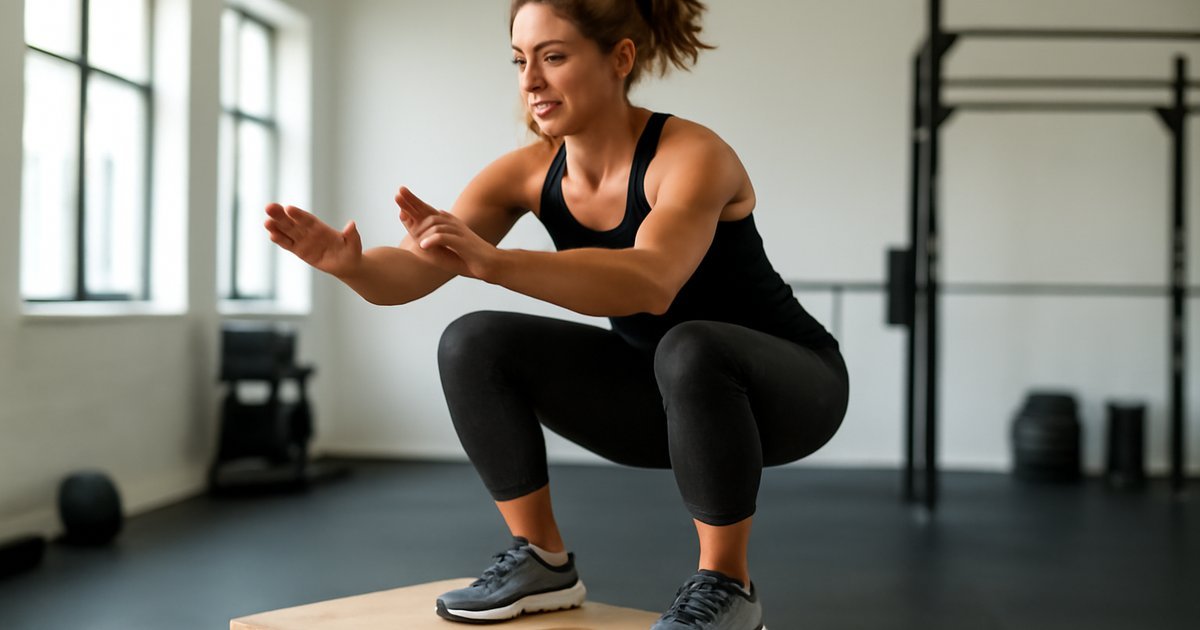
    • Squat jumps: Jump from a squat position, land softly with knees bent — 3 sets of 8
    • Lateral bounds: Hop side to side, absorbing landing on one leg — 3 sets of 6 per side
    • Broad jumps: Jump forward, land quietly and controlled — 3 sets of 5
    • Plyo push-ups (modified): Push up explosively from a wall or elevated surface — 3 sets of 8

    Phase 3: Moderate Intensity (Weeks 7–10)

    • Box jumps (start with a 12-inch box): 3 sets of 5, stepping down rather than jumping down
    • Alternating split jumps (lunge jumps): 3 sets of 6 per side
    • Depth drops: Step off a low box, focus on silent, controlled landing
    • Bounding: Exaggerated running stride, alternating legs with airtime — 20 meters x 4

    Key Technical Points for Every Plyometric Exercise

    • Land softly: Always absorb impact through your ankles, knees, and hips — never land stiff-legged
    • Knees over toes: Maintain proper alignment; avoid knee caving inward (valgus collapse)
    • Rest between sets: Full recovery (60–120 seconds) is essential for explosive quality
    • Stop if you feel joint pain: Muscle fatigue is normal; sharp joint pain is not
    • Footwear matters: Supportive, cushioned training shoes reduce impact forces significantly

    Sample Beginner Plyometric Workout (30 Minutes)

    This workout is designed for healthy adults starting plyometric training for the first time. Perform 2 times per week with at least 48 hours of rest between sessions.

    Warm-Up (8 minutes):
    Light jogging in place → leg swings → hip circles → bodyweight squats → ankle circles

    Main Circuit (20 minutes):

    • Squat jumps — 3 sets × 8 reps (60 sec rest)
    • Lateral bounds — 3 sets × 6 per side (60 sec rest)
    • Modified plyo push-ups (hands elevated) — 3 sets × 8 reps (60 sec rest)
    • Broad jumps — 3 sets × 5 reps (90 sec rest)
    • Single-leg hop in place — 2 sets × 10 per side (60 sec rest)

    Cool-Down (5 minutes):
    Hamstring stretches → calf stretches → hip flexor stretches → deep breathing

    For adults who also want to incorporate traditional strength work alongside plyometrics, Dumbbell Training for Adults: Benefits, Workouts & How to Start pairs extremely well with this type of program.

    Living With Plyometric Training: Long-Term Tips

    Consistency and recovery are the twin pillars of sustainable plyometric training. Most physicians and sports medicine professionals recommend no more than 2–3 plyometric sessions per week for adults, allowing adequate time for neuromuscular recovery and tissue repair.

    As you progress, track these markers to gauge improvement:

    • Jump height or distance over time
    • Ability to land more quietly (a sign of better neuromuscular control)
    • Reduced perceived effort at the same workload
    • Improved balance on single-leg assessments

    Nutrition also plays a critical role. Research suggests that consuming adequate protein (clinical evidence indicates approximately 1.2–1.6 grams per kilogram of body weight daily for active adults, per NIH guidelines) supports muscle repair after explosive training sessions.

    Sleep is equally non-negotiable. The NIH recommends 7–9 hours per night for adults, and research confirms that sleep deprivation significantly impairs neuromuscular performance and increases injury risk in athletic populations.

    When to Call Your Doctor or Seek Emergency Care

    While plyometric training is safe for most healthy adults when performed correctly, there are specific warning signs that require prompt medical attention.

    Call Your Doctor If You Experience:

    • Persistent joint pain (knee, ankle, hip) that lasts more than 48 hours after a session
    • Swelling or warmth around a joint following exercise
    • A "popping" sensation in the knee, followed by instability
    • Heel or Achilles tendon pain that worsens with activity over several sessions
    • Unexplained fatigue, dizziness, or nausea during workouts
    • Shin pain that is localized and worsens progressively (possible stress fracture)

    Seek Emergency Care Immediately If You Experience:

    • Chest pain, chest tightness, or pressure during or after exercise
    • Sudden shortness of breath at rest or with minimal exertion
    • Heart palpitations or irregular heartbeat
    • Sudden, severe joint pain following a landing (possible ligament rupture)
    • Fainting or near-fainting during exercise
    • Extreme muscle pain or dark-colored urine after intense training (possible rhabdomyolysis)

    Do not "push through" any of these symptoms. When in doubt, stop the session and contact a healthcare provider.

    Frequently Asked Questions About Plyometric Training

    Is plyometric training safe for adults over 50?

    Yes — research suggests that appropriately progressed plyometric training is safe and beneficial for adults over 50. The key is starting at a lower intensity, prioritizing landing mechanics, and progressing slowly. A study published in the Journal of Aging and Physical Activity found that adults aged 55–70 who completed a 12-week low-intensity jump training program showed significant gains in bone density and balance with no increase in injury rates compared to controls.

    How is plyometric training different from HIIT?

    HIIT (high-intensity interval training) is a structure — alternating work and rest periods at high intensity. Plyometrics is a method focused specifically on explosive, stretch-shortening cycle movements. Many HIIT workouts incorporate plyometric exercises, but not all plyometric training is structured as HIIT. Plyometrics emphasizes movement quality and power output; HIIT emphasizes cardiovascular intensity and time intervals.

    Can plyometrics help with weight loss?

    Clinical evidence indicates that plyometric training can contribute to caloric expenditure and improve metabolic rate, particularly through the EPOC (excess post-exercise oxygen consumption) effect. However, most physicians recommend combining any exercise program with appropriate dietary modifications for sustainable weight management. Plyometrics alone is not a guaranteed weight loss solution.

    Do I need equipment for plyometric training?

    Not necessarily. Many effective plyometric exercises — squat jumps, lateral bounds, broad jumps, plyo push-ups — require nothing more than a clear floor space and supportive footwear. A plyometric box (12–24 inches) is useful for progression but is not required to begin. As with any fitness equipment, ensure surfaces are non-slip and stable before use.

    How soon will I see results from plyometric training?

    Most people report noticeable improvements in coordination and ease of movement within 3–4 weeks. Measurable improvements in jump performance and balance typically appear within 6–8 weeks of consistent training, based on clinical trial data. Bone density changes require longer timeframes — typically 6 months or more of consistent loading exercise — as confirmed by NIH bone health research.

    Conclusion

    Plyometric training is one of the most evidence-backed, time-efficient fitness strategies available to adults aged 30 to 70 — and it is far more accessible than most people assume. From improving bone density and explosive power to enhancing balance and cardiovascular fitness, the benefits are real, measurable, and clinically supported.

    The key is starting smart: build your movement foundation first, progress gradually, and listen to your body every step of the way. You don't need to jump off a six-foot box on day one to benefit from plyometrics. A simple squat jump, done correctly, is a powerful place to begin.

    As always, consult your physician or a certified fitness professional before starting any new exercise program — especially if you have existing health conditions. Your health team can help you personalize your approach and ensure you're training safely and effectively.


    Medical Disclaimer: This article is for informational and educational purposes only. It does not constitute medical advice, diagnosis, or treatment. Always consult your physician or a qualified healthcare provider before making changes to your health routine or treatment plan.

    Medically reviewed by our editorial health team. Content follows evidence-based standards aligned with CDC and NIH guidelines.

  • Dumbbell Training for Adults: Benefits, Workouts & How to Start

    Dumbbell Training for Adults: Benefits, Workouts & How to Start

    Dumbbell Training for Adults: Benefits, Workouts & How to Start

    Two adjustable dumbbells and 30 minutes may be all you need to transform your strength, metabolism, and long-term health.

    Introduction

    Mark, 52, had avoided the gym for years. Between a demanding job, a bad knee from an old soccer injury, and the intimidating rows of machines at his local fitness center, exercise always felt like something he would start "next week." Then his doctor flagged early signs of metabolic syndrome — elevated blood sugar, creeping blood pressure, and excess abdominal fat. His physician recommended resistance training as a first-line intervention.

    Mark started with a pair of 15-pound dumbbells in his living room. Within six months, he had lost 18 pounds, lowered his fasting glucose, and reported sleeping better than he had in a decade.

    Stories like his are not uncommon. According to the American College of Sports Medicine, resistance training — including dumbbell training — is one of the most evidence-backed interventions for improving body composition, metabolic health, bone density, and functional independence in adults. Yet fewer than 25% of American adults meet the national guidelines for muscle-strengthening activity, according to the CDC.

    If you have been wondering whether dumbbell training is right for you, this guide covers everything you need to know: the science-backed benefits, how to start safely, sample workouts, and when to consult your doctor first.

    What Is Dumbbell Training?

    Dumbbell training is a form of resistance exercise that uses free weights — typically handheld, symmetrical weights — to build muscular strength, endurance, and power. Unlike machines, which guide movement along a fixed path, dumbbells require your muscles and stabilizing tissues to control the weight through a full range of motion.

    This makes dumbbell training especially functional: the movements closely mimic real-life activities like lifting grocery bags, reaching overhead, or rising from a chair.

    Dumbbell exercises can be performed at home, in a gym, or nearly anywhere with adequate space. They range from simple bicep curls and shoulder presses to complex compound movements like dumbbell Romanian deadlifts and renegade rows.

    According to the NIH National Institute on Aging, progressive resistance training — including dumbbell work — is one of the most effective strategies for preserving muscle mass and functional ability as adults age. This matters because adults begin losing muscle at a rate of approximately 3 to 8 percent per decade after age 30, a condition known as sarcopenia.

    Health Benefits of Dumbbell Training for Adults

    The research behind dumbbell and resistance training for adults is substantial. Here is what clinical evidence indicates you can expect with consistent training.

    Builds and Preserves Muscle Mass

    Progressive resistance training is the gold standard for combating age-related muscle loss. A landmark meta-analysis published in the British Journal of Sports Medicine found that resistance training significantly increased lean muscle mass across all age groups, with particularly notable benefits in adults over 50.

    More muscle also means a higher resting metabolic rate — the number of calories your body burns at rest — which supports healthy weight management over time.

    Supports Bone Density

    Weight-bearing and resistance exercises are two of the most effective tools for maintaining and improving bone mineral density. The NIH reports that osteoporosis affects approximately 10 million Americans, and another 44 million have low bone mass. Dumbbell training applies mechanical stress to bones, stimulating bone remodeling and reducing fracture risk.

    Improves Blood Sugar and Metabolic Health

    Resistance training improves insulin sensitivity — meaning your cells respond more efficiently to insulin, lowering blood sugar levels. A study published in Diabetes Care found that adults with type 2 diabetes who performed resistance training two to three times per week significantly improved their HbA1c levels (a measure of long-term blood sugar control) compared to inactive controls.

    Reduces Cardiovascular Risk Factors

    The American Heart Association notes that resistance training reduces LDL cholesterol, lowers resting blood pressure, and improves arterial flexibility — all key factors in heart disease prevention. Clinical evidence indicates that combining dumbbell training with aerobic exercise provides greater cardiovascular benefit than either approach alone.

    Enhances Mental Health and Cognitive Function

    Research published in JAMA Psychiatry found that resistance training significantly reduced symptoms of depression across 33 randomized controlled trials. Additional research suggests that regular strength training supports cognitive function and may reduce the risk of dementia in older adults. This varies from person to person, but the overall trend in the data is encouraging.

    Improves Balance, Posture, and Fall Prevention

    The CDC reports that falls are the leading cause of injury-related death in adults over 65, with 36 million falls occurring annually among older Americans. Dumbbell training strengthens the hips, glutes, core, and lower legs — the muscle groups most critical for balance and fall prevention.

    Who Should — and Should Not — Start Dumbbell Training

    Dumbbell training is appropriate for most adults across a wide range of fitness levels and health conditions. However, individual variation is real, and some situations require medical clearance first.

    Most adults can safely begin dumbbell training, including:

    • Sedentary adults beginning an exercise routine for the first time
    • Adults managing type 2 diabetes, hypertension, or high cholesterol
    • Adults recovering from mild musculoskeletal injuries (with physician clearance)
    • Older adults concerned about bone density or fall risk
    • Adults seeking weight management support

    Consult your physician before starting if you have:

    • Uncontrolled hypertension (blood pressure above 180/110 mmHg)
    • Recent cardiac event (heart attack, surgery, or procedure within the past 3 months)
    • Severe osteoporosis with a high fracture risk
    • Herniated disc or spinal instability (a physical therapist may design a modified program)
    • Pregnancy (require supervised, modified programming)

    Most physicians and physical therapists can help design a program appropriate for your specific health status. If you are over 40 and have been sedentary for several years, a pre-exercise health screening is always a smart first step.

    How to Get Started: Equipment and Setup

    One of the greatest advantages of dumbbell training is accessibility. You do not need an expensive gym membership or large equipment to build a highly effective routine.

    Choosing Your Dumbbells

    For most beginners, starting with two to three sets of dumbbells at different weights works well. A common starting setup for women might be 5, 10, and 15 pounds; for men, 15, 20, and 25 pounds. However, this varies based on your current fitness level.

    Adjustable dumbbells are a cost-effective and space-saving option if you plan to train at home. Fixed-weight sets from a sporting goods store or online retailer are also widely available.

    Setting Up Your Space

    • Clear a 6-by-6-foot area for safe movement
    • Use a non-slip mat for floor exercises
    • Keep a sturdy chair or bench nearby for seated or supported exercises
    • Ensure adequate lighting to maintain form

    Progressive Overload: The Key Principle

    The most important concept in dumbbell training is progressive overload — gradually increasing the demand on your muscles over time. This is what drives adaptation and results. You can progress by adding weight, increasing repetitions, adding sets, or reducing rest time between sets.

    Most exercise physiologists recommend beginners increase weight by no more than 5 to 10 percent per week to reduce injury risk while continuing to challenge the muscles.

    Beginner Dumbbell Workout: Sample Full-Body Routine

    The following routine is designed for adults new to resistance training. Perform this workout two to three times per week with at least one rest day between sessions. Start with lighter weights to master form before increasing resistance.

    Warm-Up (5 minutes): Light walking in place, arm circles, bodyweight squats, and hip hinges.

    Full-Body Dumbbell Circuit

    • Goblet Squat: 3 sets of 10-12 reps — hold one dumbbell at chest height; strengthens quads, glutes, and core.
    • Dumbbell Romanian Deadlift: 3 sets of 10 reps — hinge at hips with soft knees; targets hamstrings, glutes, and lower back.
    • Dumbbell Chest Press (floor): 3 sets of 10-12 reps — lie on floor, press dumbbells up from chest; works chest, shoulders, triceps.
    • Dumbbell Bent-Over Row: 3 sets of 10-12 reps per arm — builds mid-back, lats, and biceps.
    • Dumbbell Shoulder Press: 3 sets of 10-12 reps — press overhead from shoulder height; targets deltoids and upper traps.
    • Dumbbell Reverse Lunge: 3 sets of 8-10 reps per leg — step backward to reduce knee stress; strengthens quads, glutes, and hip stabilizers.
    • Dumbbell Bicep Curl: 2 sets of 12-15 reps — classic elbow flexion exercise.
    • Dumbbell Tricep Overhead Extension: 2 sets of 12 reps — extend weight overhead for tricep isolation.

    Cool-Down (5 minutes): Gentle stretching targeting hips, hamstrings, chest, and shoulders.

    Rest 60 to 90 seconds between sets. As you advance, you may combine this with circuit training principles to improve cardiovascular conditioning simultaneously.

    Dumbbell Training for Specific Goals

    For Weight Loss and Body Composition

    Research suggests that combining resistance training with moderate caloric management is more effective for fat loss than calorie restriction alone. Dumbbell training preserves muscle tissue during weight loss, which prevents the drop in metabolic rate commonly seen with diet-only approaches. Pairing your sessions with HIIT cardio on alternate days can accelerate fat loss while protecting lean muscle.

    For Older Adults (60+)

    For adults over 60, lighter weights with higher repetitions (12 to 20 reps) and slower, controlled movement may be most appropriate — particularly if managing joint concerns. Chair-supported exercises such as seated dumbbell curls, seated overhead press, and standing supported lateral raises allow effective training with reduced fall risk.

    For Adults Managing Hypertension

    Clinical evidence from the AHA indicates that resistance training at moderate intensity (40 to 70% of maximum effort) significantly reduces resting blood pressure over 8 to 12 weeks. Avoid breath-holding (Valsalva maneuver) during heavy lifts, as this temporarily elevates blood pressure. Focus on steady, rhythmic breathing throughout each repetition.

    Common Mistakes to Avoid

    • Starting too heavy: Ego-lifting with poor form is the fastest route to injury. Start lighter than you think you need to.
    • Skipping warm-up and cool-down: These protect joints and support recovery.
    • Neglecting the posterior chain: Many beginners focus only on the front of the body (chest, biceps, quads) while ignoring the back, glutes, and hamstrings — causing postural imbalances over time.
    • Not resting enough between sessions: Muscles repair and grow during rest, not during the workout itself. Overtraining delays results and increases injury risk.
    • Inconsistent breathing: Exhale during exertion (the lifting phase) and inhale during the lowering phase. Consistent breathing helps regulate blood pressure and improves performance.

    For adults who prefer structured settings and guidance from certified professionals, exploring gym-based workout programs is an excellent complement to home dumbbell training.

    When to Call Your Doctor or Seek Emergency Care

    Exercise should challenge you — but it should never feel dangerous. Knowing the difference between normal discomfort and warning signs is critical for safe training.

    Stop exercising immediately and call 911 if you experience:

    • Chest pain, tightness, or pressure during or after exercise
    • Sudden shortness of breath that does not resolve quickly with rest
    • Fainting or near-fainting during a workout
    • Severe, sudden headache during exertion
    • Rapid or irregular heartbeat that does not normalize within 5 minutes of rest

    Schedule a visit with your doctor if you notice:

    • Persistent joint pain (not just muscle soreness) that lasts more than 72 hours
    • Swelling, significant bruising, or loss of range of motion after a session
    • Dizziness or lightheadedness during low-intensity activity
    • Blood sugar readings that behave unexpectedly if you manage diabetes

    Normal muscle soreness — known as delayed onset muscle soreness (DOMS) — typically peaks 24 to 48 hours after exercise and resolves within three to four days. This is a natural part of the adaptation process, not a cause for concern.

    Frequently Asked Questions

    How many days per week should I do dumbbell training?

    The U.S. Department of Health and Human Services recommends that adults perform muscle-strengthening activities at least two days per week. Most physicians and exercise specialists suggest two to four sessions per week for adults, with at least 48 hours of rest between sessions targeting the same muscle group. This allows adequate recovery time for muscle repair and growth.

    Can dumbbell training help me lose belly fat?

    Research suggests that resistance training reduces visceral fat — the metabolically active fat stored around internal organs — even without significant changes to total body weight. While you cannot spot-reduce fat from a specific area, dumbbell training combined with a balanced diet supports overall fat loss, including abdominal fat, over time. Clinical evidence consistently shows that a combination of resistance training and aerobic exercise produces the best body composition results.

    Is dumbbell training safe if I have arthritis?

    For most people with osteoarthritis or rheumatoid arthritis, low-to-moderate intensity resistance training is not only safe but clinically recommended. The Arthritis Foundation notes that strengthening the muscles around affected joints can reduce pain and improve function. That said, it is important to consult your rheumatologist or physical therapist before starting, and to avoid training during active flare-ups when joints are inflamed.

    Do I need protein supplements to see results from dumbbell training?

    Protein supplements are not required for most adults. Meeting your protein needs through whole foods — lean meats, poultry, fish, eggs, dairy, legumes, and tofu — supports muscle recovery and growth effectively. Most exercise physiologists recommend a protein intake of approximately 0.6 to 1.0 grams per pound of body weight for active adults, depending on training intensity and individual health goals. Discuss specific nutritional needs with your healthcare provider or a registered dietitian.

    What if I have never lifted weights before? Is it too late to start?

    It is never too late to begin. A landmark NIH-funded study found that adults in their 70s and 80s who began progressive resistance training gained significant muscle mass and strength within just 12 weeks. Beginning at any age delivers meaningful benefits, and the earlier you start, the more you can protect your health as you continue to age.

    Conclusion

    Dumbbell training is one of the most accessible, evidence-backed, and versatile tools available for adult health and fitness. Whether your goal is managing blood sugar, protecting your joints, improving mental health, or simply feeling stronger in daily life, a consistent dumbbell routine can deliver meaningful, measurable results at any age.

    Start with light weights, master your form, and progress gradually. Two or three sessions per week — done consistently over months — will produce changes that are genuinely life-changing for many adults.

    You do not need a perfect gym, expensive equipment, or hours of free time. You need a plan, a pair of dumbbells, and a commitment to showing up. Talk to your doctor, get cleared for activity if needed, and take your first step today.


    Medical Disclaimer: This article is for informational and educational purposes only. It does not constitute medical advice, diagnosis, or treatment. Always consult your physician or a qualified healthcare provider before making changes to your health routine or treatment plan.

    Medically reviewed by our editorial health team. Content follows evidence-based standards aligned with CDC and NIH guidelines.
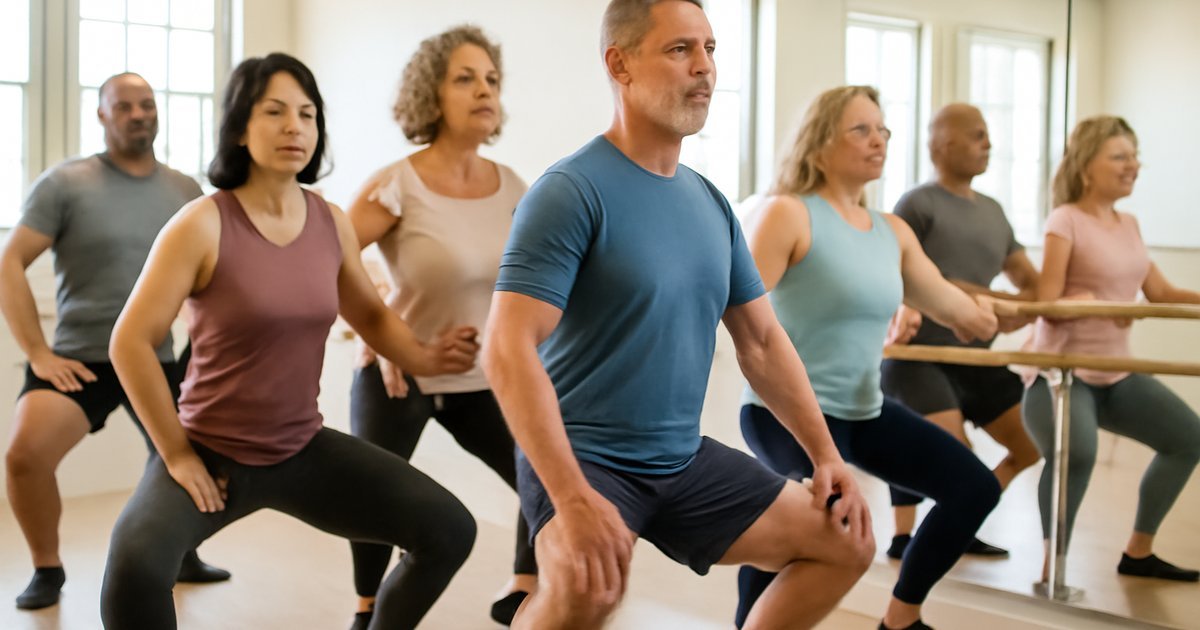
  • Hiking for Fitness and Health: Benefits, Tips & How to Start

    Hiking for Fitness and Health: Benefits, Tips & How to Start

    One of America’s most accessible outdoor activities is also one of the most powerful tools for long-term physical and mental health.

    Introduction

    Mark, 52, had tried the gym twice and quit both times. Between a demanding job, knee discomfort, and a general disdain for treadmills, traditional exercise just never stuck. Then his doctor made a simple suggestion: “Try hiking. Start with a flat trail, 30 minutes, once a week.” Within six months, Mark had lost 18 pounds, lowered his blood pressure, and — for the first time in decades — looked forward to moving his body.

    Mark’s story is far from unique. According to the Outdoor Industry Association, more than 57 million Americans hiked at least once in 2023, making it one of the fastest-growing fitness activities in the country. And the science behind why it works so well is compelling.

    In this guide, you’ll learn exactly what hiking does for your health, how to start safely — especially if you’re over 40 or managing a chronic condition — and how to build a sustainable routine that delivers real, lasting results.

    What Is Hiking for Fitness?

    Hiking is defined as walking in natural environments — trails, parks, forests, or hills — typically on uneven or unpaved terrain. Unlike casual walking on a sidewalk, hiking engages your body in a more dynamic, three-dimensional way. Your stabilizing muscles, joints, and cardiovascular system all work harder to navigate variable terrain and elevation.

    From a clinical standpoint, hiking is classified as a moderate-intensity aerobic activity, though it can easily become vigorous depending on the grade (incline) and pace. The American Heart Association recommends at least 150 minutes of moderate-intensity aerobic exercise per week for most adults — and hiking is one of the most enjoyable ways to meet that target.

    What makes hiking particularly valuable from a health perspective is its low barrier to entry. You don’t need a gym membership, special equipment beyond a good pair of shoes, or prior athletic experience. It’s a genuinely inclusive form of exercise that scales naturally with your fitness level.

    Health Benefits of Hiking: What the Research Shows

    The evidence supporting hiking as a health-promoting activity spans cardiovascular health, mental wellness, bone density, weight management, and more. Here’s a breakdown of the most clinically significant benefits:

    Cardiovascular Health

    A study published in the American Journal of Cardiology found that regular hiking significantly reduces the risk of cardiovascular disease by lowering blood pressure, improving cholesterol profiles, and reducing resting heart rate. Clinical evidence indicates that even moderate-paced hiking on flat terrain can improve cardiac efficiency over time.

    The CDC reports that heart disease remains the leading cause of death in the United States, accounting for approximately 1 in every 5 deaths. Incorporating hiking as a consistent aerobic habit is one of the most practical steps adults can take toward long-term heart health.

    Weight Management and Metabolic Health

    Research suggests that a 155-pound person burns roughly 370–440 calories per hour hiking on moderate terrain, with that number increasing significantly on inclines. Unlike steady-state gym cardio, trail hiking naturally introduces interval-like variation as your pace and exertion shift with the terrain.

    Beyond calorie burn, hiking has been shown to improve insulin sensitivity — the body’s ability to use insulin effectively — which is critical for adults managing or at risk of type 2 diabetes. According to the NIH, regular moderate-intensity exercise like hiking can reduce the risk of developing type 2 diabetes by up to 58% in high-risk individuals.

    Bone Density and Musculoskeletal Health

    Hiking is a weight-bearing exercise, which means it places healthy mechanical stress on bones, stimulating bone remodeling and helping maintain bone mineral density. This is especially important for adults over 50, where bone loss accelerates — particularly in postmenopausal women.

    The National Osteoporosis Foundation lists weight-bearing activity as a frontline strategy for preserving bone strength. Unlike swimming or cycling, hiking keeps your skeleton under load, making it a valuable complement to any bone health strategy.

    Mental Health and Cognitive Benefits

    A landmark study from Stanford University found that participants who walked for 90 minutes in a natural environment showed significantly decreased activity in the prefrontal cortex — the brain region associated with rumination and repetitive negative thinking — compared to those who walked in an urban setting. In plain terms: nature hikes may help quiet anxious or depressive thought patterns in ways that urban exercise cannot.

    Research also suggests that time spent in natural environments reduces cortisol (the stress hormone) levels, lowers perceived stress, and improves overall mood. For adults managing anxiety, depression, or chronic stress, hiking represents a clinically supported, low-risk complement to professional mental health treatment.

    Signs That Hiking Is the Right Exercise for You

    Hiking is one of the most broadly appropriate forms of exercise, but here are specific signals that it may be especially well-suited to your needs:

    • You find gym-based exercise monotonous or difficult to sustain
    • You have mild to moderate joint discomfort that makes high-impact exercise painful
    • You’re managing hypertension, elevated cholesterol, or early-stage metabolic syndrome
    • You’re experiencing stress, low mood, or difficulty sleeping
    • You want an activity you can do with family, friends, or a dog
    • You’re returning to exercise after a long break and need a gradual entry point
    • You’re interested in combining fitness with social connection or nature exposure

    This varies from person to person — always discuss new exercise programs with your physician, especially if you have a pre-existing heart condition, orthopedic issue, or are recovering from illness or injury.

    How to Start Hiking: A Practical Beginner’s Plan

    Starting a hiking routine doesn’t require specialized knowledge — but a thoughtful approach will help you build consistency and avoid early injury.

    Step 1: Get the Right Footwear

    Footwear is your single most important investment. Look for trail walking shoes or light hiking boots with lateral support, a grippy rubber outsole, and adequate cushioning. Avoid trail running shoes initially, as they offer less ankle protection on uneven terrain. Most physicians and physical therapists recommend a shoe with a wider toe box if you have any foot or knee concerns.

    Step 2: Choose Trails Appropriate for Your Level

    Apps like AllTrails allow you to filter trails by difficulty, length, and elevation gain. As a beginner, look for:

    • Distance: 2–4 miles
    • Elevation gain: under 300 feet
    • Difficulty rating: Easy to Moderate
    • Surface: Well-maintained, marked trail

    As your fitness improves over 4–8 weeks, you can gradually increase distance and elevation. Most exercise physiologists recommend increasing total weekly hiking distance by no more than 10% per week to minimize injury risk.

    Step 3: Build a Weekly Structure

    A sustainable beginner hiking plan might look like this:

    • Week 1–2: Two hikes per week, 2–3 miles each, flat terrain
    • Week 3–4: Two to three hikes per week, 3–4 miles, slight elevation
    • Week 5–8: Three hikes per week, 4–6 miles, moderate elevation gain
    • Month 3+: Increase challenge based on goals and fitness level

    If you’re also looking to complement your hiking with structured cardio, our guide on Speed Walking for Fitness covers a great cross-training option for days when trails aren’t accessible.

    Step 4: Hydration and Nutrition on the Trail

    Dehydration is one of the most common causes of fatigue, cramping, and dizziness during hikes. The general recommendation from sports medicine professionals is to drink approximately 500ml (about 17 oz) of water before starting, then 200–250ml every 20–30 minutes during activity. Carry more than you think you’ll need.

    For hikes under 60 minutes, additional fueling is rarely necessary. For longer hikes, a small snack rich in complex carbohydrates and protein — like a handful of trail mix or a whole grain bar — can help maintain energy levels and prevent blood sugar dips.

    Hiking Safety: What Every Adult Needs to Know

    Safety is a foundational part of any sustainable hiking practice. Here are the most clinically and practically relevant precautions:

    • Tell someone your plan: Always let a friend or family member know your trail, expected return time, and who to contact if you don’t return.
    • Check the weather: Trail conditions change rapidly. Lightning at altitude is a genuine emergency risk. Check forecasts the morning of your hike.
    • Sun protection: The American Cancer Society recommends SPF 30+ sunscreen reapplied every two hours, UV-protective clothing, and a wide-brim hat for trail hiking, especially at elevation where UV exposure is greater.
    • Carry a basic first-aid kit: Adhesive bandages, blister treatment, an emergency whistle, and a charged phone are minimum essentials.
    • Know your limits: Trail difficulty ratings can underestimate actual exertion. If you feel chest pain, severe shortness of breath, or sudden dizziness, stop immediately and seek help.

    Hiking for Adults with Chronic Conditions

    Hiking can be safely adapted for many chronic health conditions, but medical clearance and individualized planning are essential:

    Arthritis: Clinical evidence indicates that low-to-moderate intensity walking on soft, natural surfaces can actually reduce joint pain and stiffness over time by improving joint lubrication and surrounding muscle strength. Trekking poles significantly reduce knee load — by up to 25%, according to research published in the Journal of Sports Science & Medicine — making them valuable for adults with knee or hip arthritis.

    Hypertension: Most physicians recommend that adults with controlled hypertension can hike safely, as regular aerobic exercise is a cornerstone of blood pressure management. However, sudden high-altitude hiking (above 8,000 feet) may temporarily elevate blood pressure and requires discussion with your doctor if your hypertension is not well-controlled.

    Type 2 Diabetes: Hiking is an excellent form of exercise for blood sugar management. Research suggests that post-meal walks of 15–30 minutes — a format easily adapted to short trail hikes — can meaningfully reduce post-meal glucose spikes. Monitor blood sugar before and after hikes initially, and consult your healthcare provider about adjusting meals or medications around hiking activity.

    For adults who are newer to structured exercise or managing multiple health conditions, our guide on Exercise and Blood Sugar Control offers additional evidence-based strategies to complement your hiking plan.

    When to Call Your Doctor or Seek Emergency Care

    Most adults can begin a hiking program safely, but certain symptoms require immediate medical attention:

    Seek emergency care immediately if you experience:

    • Chest pain, pressure, or tightness during or after a hike
    • Sudden severe shortness of breath disproportionate to exertion
    • Fainting or near-fainting (syncope)
    • Sudden, severe joint pain suggesting a fall injury or dislocation
    • Symptoms of heat stroke: hot, dry skin, confusion, and a body temperature above 104°F
    • Signs of severe dehydration: extreme thirst, no urination, confusion, rapid heartbeat

    Schedule an appointment with your doctor before starting if you have:

    • Uncontrolled heart disease or a recent cardiac event
    • Severe or unstable joint disease
    • Poorly controlled diabetes or blood pressure
    • Balance disorders or a recent history of falls
    • Any condition requiring exercise restrictions from a specialist

    Frequently Asked Questions About Hiking for Health

    Is hiking enough exercise on its own, or do I need to add other workouts?
    For many adults, consistent hiking — three or more times per week, covering a range of terrain — can meet or exceed the recommended 150 minutes of weekly moderate-intensity aerobic exercise. However, most physicians and exercise physiologists recommend complementing hiking with at least two days per week of strength training, as hiking alone may not fully address muscle mass preservation, particularly in adults over 50.

    How many calories does hiking burn compared to walking?
    Research suggests hiking burns approximately 30–40% more calories than flat-surface walking at a comparable pace, largely due to the additional energy demands of uneven terrain, elevation changes, and core stabilization. Calorie burn varies significantly based on your weight, trail difficulty, pack weight, and fitness level.

    Can hiking help with weight loss?
    Clinical evidence indicates that hiking, when combined with appropriate nutrition, can meaningfully support weight loss. It creates a caloric deficit, preserves lean muscle mass better than pure dieting, and has been shown to reduce appetite-regulating hormones in ways that support long-term weight management. Sustainable weight loss still requires a comprehensive lifestyle approach.

    Is hiking safe for people with bad knees?
    This varies from person to person, but many adults with mild to moderate knee osteoarthritis tolerate hiking well, especially on softer, natural surfaces. Trekking poles are strongly recommended to offload knee joints on descents. If you have significant knee pain or recent knee surgery, consult your orthopedist or physical therapist before starting.

    How is hiking different from other forms of cardio like cycling or swimming?
    Hiking is a weight-bearing exercise, which means it provides bone-strengthening benefits that non-weight-bearing activities like swimming and cycling do not. It also engages stabilizing muscles throughout the hips, ankles, and core that are less activated on flat, predictable surfaces. That said, rowing machine workouts and cycling remain excellent complements for days when trail access isn’t possible.

    Conclusion

    Hiking is one of the most complete, evidence-backed, and accessible forms of exercise available to American adults. It strengthens the cardiovascular system, supports bone health, aids weight management, and delivers measurable mental health benefits — all while being gentle enough to adapt to most fitness levels and many chronic conditions.

    The key, as with any fitness habit, is consistency and progression. Start where you are. Choose a trail that feels manageable, not intimidating. Bring water, wear the right shoes, and tell someone your plan. Then go again next week.

    Your body was built to move through natural environments. Getting back to that — one trail at a time — may be one of the most meaningful health decisions you make.


    This article is for informational and educational purposes only. It does not constitute medical advice, diagnosis, or treatment. Always consult your physician or a qualified healthcare provider before making changes to your health routine or treatment plan.

    Medically reviewed by our editorial health team. Content follows evidence-based standards aligned with CDC and NIH guidelines.
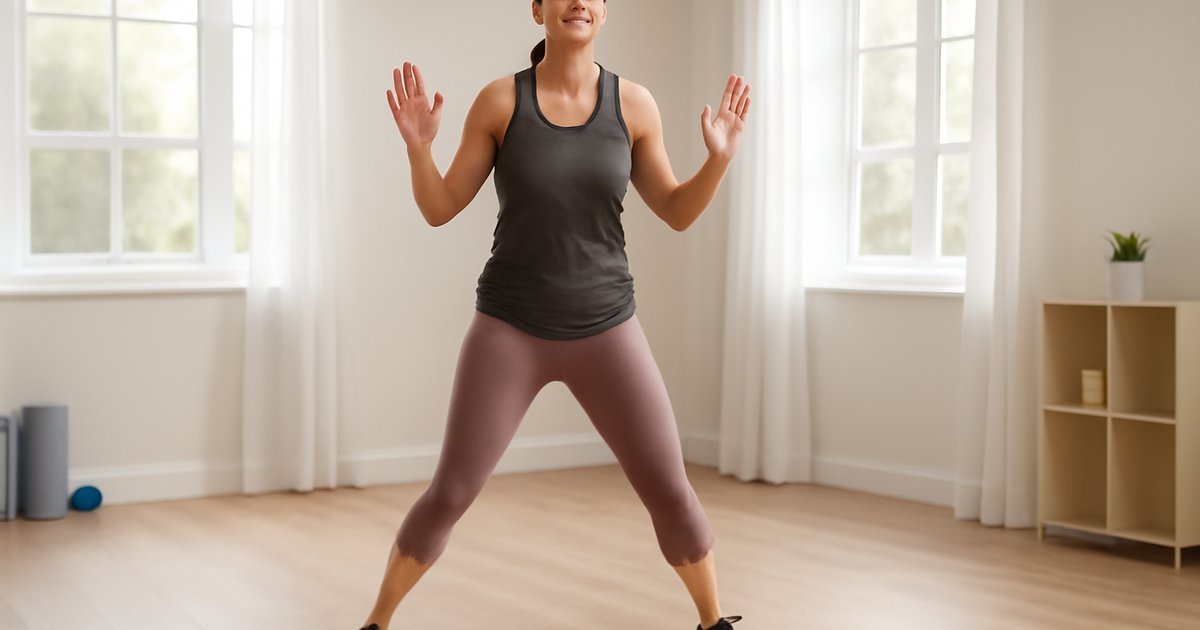
  • Barre Workout for Adults: Benefits, Basics & How to Start

    Barre Workout for Adults: Benefits, Basics & How to Start

    A low-impact workout rooted in ballet technique that builds strength, flexibility, and balance — without a single grand jeté required.

    Introduction

    Lisa, 47, had been dealing with chronic knee pain that made running feel impossible. Her physical therapist suggested something unexpected: barre class. Within eight weeks, her knee stability had improved, her posture was noticeably better, and she was standing taller than she had in years.

    She is far from alone. According to the American College of Sports Medicine, low-impact group fitness modalities — including barre — have surged in popularity among adults aged 30 to 65 seeking effective alternatives to high-intensity or joint-stressing exercise. And the science behind barre workouts supports the enthusiasm.

    Barre combines elements of ballet, Pilates, yoga, and functional strength training into a structured, music-driven workout. Most movements are small, controlled, and deliberate — targeting the muscles that standard gym routines often miss.

    In this guide, you will learn what barre actually is, what the research says about its health benefits, how to get started safely, and what to realistically expect from your first few sessions. Whether you have never exercised consistently or you are looking for a smarter complement to your current routine, barre may be exactly what your body needs.

    What Is a Barre Workout?

    Barre is a fitness method inspired by classical ballet training but designed for everyday people — no dance experience required. The name comes from the ballet barre, the horizontal handrail dancers use for balance during exercises. In a barre workout, you use a wall-mounted bar, a sturdy chair, or even a countertop as your support.

    The workout blends four disciplines:

    • Ballet technique — small isometric movements, turnout positioning, and posture alignment
    • Pilates — core engagement, breath control, and precision
    • Yoga — flexibility, mindfulness, and stretching sequences
    • Functional strength training — bodyweight resistance, light dumbbells, and resistance bands

    A typical barre class lasts 45 to 60 minutes and moves through sections targeting the arms, core, glutes, and legs — with frequent stretching intervals in between. The movements are low-impact but surprisingly intense, relying on small pulses, isometric holds, and precise muscle engagement.

    According to the National Academy of Sports Medicine (NASM), isometric exercise — where a muscle contracts without changing length — has been shown to improve muscular endurance and joint stability, two key components of functional fitness for adults over 30.

    What makes barre distinctive is its focus on the smaller stabilizer muscles that larger compound exercises tend to overlook — the inner thighs, the deep core, the rotator cuff, and the glute medius (the side of your hip). These muscles are critical for posture, balance, and injury prevention.

    Health Benefits of Barre for Adults

    Barre is not just a trendy fitness class — there is a growing body of evidence supporting its benefits for adult health. Here is what the research and clinical experience tell us:

    Builds Muscular Strength and Endurance

    A 2018 study published in the Journal of Strength and Conditioning Research found that participants who completed an eight-week barre program showed significant improvements in muscular endurance, particularly in the core, glutes, and lower extremities. Research suggests that the high-repetition, low-load approach used in barre is especially effective for building endurance in postural and stabilizer muscles.

    Improves Posture and Spinal Alignment

    Poor posture is a leading contributor to neck pain, lower back pain, and headaches — all increasingly common among adults who spend hours sitting at desks. Barre’s constant emphasis on spinal lengthening, shoulder retraction, and core bracing trains the body to maintain better alignment throughout the day. Clinical evidence from the Cleveland Clinic indicates that strengthening the deep core muscles significantly reduces chronic low back pain episodes.

    Enhances Balance and Reduces Fall Risk

    The CDC reports that falls are the leading cause of injury-related death among adults 65 and older, and that one in four Americans over 65 falls each year. Balance deteriorates with age, but it can be trained. Barre’s single-leg exercises, narrow-stance movements, and proprioceptive challenges (movements that require your body to sense its position in space) directly target the neuromuscular pathways responsible for balance. This makes barre an excellent choice for adults in their 40s, 50s, and 60s as a proactive fall-prevention strategy.

    Increases Flexibility

    Every barre session includes meaningful stretching sequences for the hamstrings, hip flexors, calves, and chest — areas that become chronically tight with age and sedentary habits. Regular stretching improves joint range of motion and may reduce the risk of musculoskeletal injuries, according to guidelines from the American College of Sports Medicine.

    Supports Mental Well-Being

    Like other mind-body forms of exercise, barre requires sustained focus and concentration — leaving little mental space for rumination or stress. Research published by the NIH suggests that exercise involving coordination and deliberate movement patterns provides greater mood-boosting effects than purely aerobic activity, partly because it engages more cognitive resources. Many participants report reduced anxiety and improved body confidence after consistent barre practice.

    Joint-Friendly and Low-Impact

    Barre places minimal stress on the knees, hips, and ankles compared to high-impact activities like running or jumping. For adults managing osteoarthritis, recovering from a lower extremity injury, or simply trying to protect their joints as they age, barre offers a meaningful training stimulus without the wear-and-tear risk. If you are interested in other low-impact options, you may also want to explore rowing machine workouts for adults or circuit training designed for adults.

    Who Is Barre Best For?

    Barre is remarkably inclusive — but it is not equally ideal for everyone’s primary fitness goal. Here is a breakdown:

    Barre is particularly well-suited for:

    • Adults returning to exercise after a break or injury
    • People managing joint pain, arthritis, or orthopedic limitations
    • Those who want to complement a high-intensity routine (such as running or weight training) with restorative, precise movement
    • Adults over 50 focused on balance, posture, and functional mobility
    • People who prefer a structured, instructor-led class environment
    • Postpartum individuals cleared by their OB-GYN for exercise (with modifications)

    Barre alone may not be sufficient for:

    • Individuals whose primary goal is significant cardiovascular fitness improvement (barre is generally low to moderate intensity aerobically)
    • Those focused exclusively on building maximal muscle mass or heavy-load strength

    This varies from person to person, and many fitness professionals recommend using barre as one component of a well-rounded weekly exercise plan rather than as a sole training method.

    How to Get Started: A Practical Guide

    Starting barre does not require special equipment, prior dance experience, or even a studio membership. Here is what to expect and how to set yourself up for success.

    What You Need

    • Footwear: Most barre classes are done barefoot or in grip socks (socks with rubberized bottoms). These are inexpensive and widely available online or at studio front desks.
    • Clothing: Form-fitting athletic wear helps instructors see your alignment, but anything comfortable and non-restrictive works.
    • Support: A ballet barre, the back of a sturdy chair, or a countertop serves the same purpose at home.
    • Optional equipment: Light dumbbells (1 to 5 pounds), a resistance band, and a small exercise ball (playground ball) are used in many classes.

    Finding the Right Class or Program

    Many national studio chains — including Pure Barre, Barre3, and CorePower — offer introductory classes or beginner series. Most also offer online streaming options, which is ideal if you prefer to start at home before joining a studio. Many community recreation centers and YMCAs now offer barre classes as well, often at lower cost than boutique studios.

    If you are new to exercise entirely, look for classes specifically labeled "Barre Foundations," "Barre Basics," or "Intro to Barre." These classes move more slowly and spend more time explaining proper form.

    What a Typical Class Looks Like

    Most barre classes follow a predictable structure, which helps you build familiarity quickly:

    1. Warm-up (5-8 minutes): Standing movements, shoulder rolls, spinal mobilization, light cardio to elevate heart rate
    2. Arms section (8-10 minutes): Light weights for tricep presses, bicep curls, overhead movements — high reps to fatigue the smaller muscles
    3. Core section (8-10 minutes): Planks, curl-ups, and Pilates-inspired abdominal work
    4. Barre section — legs and glutes (15-20 minutes): The core of the class; includes plié variations, relevés (rising onto the balls of your feet), and targeted glute work in positions like standing, kneeling, or lying flat
    5. Cool-down and stretch (8-10 minutes): Long-hold stretches for major muscle groups

    Beginner Tips for Your First Sessions

    • Arrive early and introduce yourself to the instructor. Let them know it is your first class — a good instructor will offer modifications and check in on you.
    • Expect muscle fatigue in unusual places. The small, repetitive movements in barre create a "burn" in muscles you may not have felt before — this is normal and not harmful.
    • Use modifications freely. Reducing your range of motion, holding the barre with two hands instead of one, or skipping a balance challenge is perfectly appropriate in the beginning.
    • Be patient. Most participants begin to feel significantly more comfortable and capable after three to five sessions, as coordination and muscle memory develop.
    • Consistency matters more than intensity. Research suggests that two to three barre sessions per week is sufficient to produce measurable improvements in strength and flexibility over 6 to 8 weeks.

    If you enjoy structured workout plans, you might also benefit from reading about how to build a gym routine that actually sticks.

    Barre and Specific Health Conditions

    If you are managing a chronic health condition, barre can often be adapted safely — but always consult your physician before beginning any new exercise program.

    Osteoporosis or low bone density: Barre’s weight-bearing movements (standing exercises) stimulate bone tissue, which the NIH recognizes as an important component of bone health maintenance. However, avoid deep forward flexion movements if you have been advised to limit spinal flexion.

    Osteoarthritis of the hips or knees: The low-impact nature of barre makes it generally appropriate, but inform your instructor of your condition so they can recommend modifications — particularly for pliés and seated positions.

    Hypertension: Barre’s moderate aerobic demand and stress-reducing qualities make it a reasonable choice. The American Heart Association recommends that adults with hypertension engage in at least 150 minutes of moderate-intensity activity per week — barre can contribute meaningfully to that goal.

    Diastasis recti (abdominal separation): Common postpartum, this condition requires specific core exercise modifications. Traditional crunches and some barre curl-up variations may be contraindicated — consult a pelvic floor physical therapist for guidance.

    How Often Should You Do Barre?

    Most fitness professionals and barre instructors recommend the following for adult beginners:

    • Weeks 1-2: One to two classes per week, allowing 48 hours of recovery between sessions
    • Weeks 3-8: Two to three classes per week as your body adapts
    • Ongoing: Two to four classes per week, potentially mixed with other modalities such as cardio or strength training

    Because barre targets muscular endurance rather than maximal strength, you can practice it more frequently than heavy resistance training without the same recovery demands. That said, soreness is normal in the first two to three weeks, particularly in the glutes, inner thighs, and core. This varies from person to person based on prior fitness level.

    When to Call Your Doctor

    Barre is generally considered very safe for most adults. However, stop exercise immediately and seek medical attention if you experience:

    • Chest pain, pressure, or tightness during or after a class
    • Sudden shortness of breath that is disproportionate to effort
    • Dizziness, fainting, or near-fainting episodes
    • Sudden severe joint pain — particularly in the knees or hips — that is different from normal exercise soreness
    • Heart palpitations or a racing heartbeat that does not resolve with rest

    Before starting barre, talk to your doctor if you:

    • Have not exercised regularly in more than six months
    • Are managing a cardiovascular condition, recent surgery, or orthopedic injury
    • Are pregnant (modifications exist, but physician clearance is important)
    • Have severe osteoporosis or a history of stress fractures

    Frequently Asked Questions

    Q: Can I do barre if I have no dance background?
    Absolutely. Barre classes are designed for non-dancers. The instructor cues every movement clearly, and you will not be expected to know any dance terminology or steps. Most participants have zero dance experience. The ballet barre is simply a tool for balance and support — not a performance requirement.

    Q: Will barre help me lose weight?
    Barre can support weight management as part of a healthy lifestyle, but it burns fewer calories than high-intensity cardio workouts. A 45-minute barre class typically burns between 200 and 350 calories, depending on intensity and individual factors. Its primary contribution to body composition is building lean muscle, which supports a healthier metabolic rate over time. Clinical evidence indicates that combining barre with moderate cardio activity produces better body composition results than either alone.

    Q: Is barre safe for adults with knee problems?
    For many people, yes — but this depends on the specific nature and severity of your knee condition. Barre avoids high-impact movements and excessive knee flexion when performed correctly. Inform your instructor of any knee issues before class, and always prioritize a shallower range of motion if deep pliés cause discomfort. Your orthopedist or physical therapist is the best resource for clearance and specific modifications.

    Q: How long before I see results from barre?
    Most adults report noticeable improvements in posture and body awareness within two to three weeks of consistent practice. Measurable strength and flexibility improvements typically emerge after six to eight weeks, consistent with findings from published barre research. Be realistic: results depend on frequency, consistency, nutrition, and your baseline fitness level.

    Q: Can I do barre at home without a studio?
    Yes. Dozens of reputable online platforms offer high-quality barre classes for home use. You can use the back of a sturdy chair or kitchen counter as your barre. Most beginner classes require no equipment at all, making it one of the most accessible workout formats available. For those who prefer a mix of home and gym-based fitness, you might find it helpful to read about how to build a sustainable morning exercise routine.

    Conclusion

    Barre is one of the most underrated fitness tools available to adults navigating the physical challenges of midlife and beyond. It demands focus, builds real strength in the muscles that matter most for long-term function, and does all of this without punishing your joints.

    Whether you are 35 and looking for something new, 52 and managing an achy hip, or 67 and focused on staying independent and strong, barre offers a science-supported path forward. The most important step is simply getting started — and talking with your healthcare provider about whether it is the right fit for your specific health needs.

    Progress in barre is quiet and cumulative. But over weeks and months, it shows up clearly: in how you stand, how you move, and how you feel.


    Medical Disclaimer: This article is for informational and educational purposes only. It does not constitute medical advice, diagnosis, or treatment. Always consult your physician or a qualified healthcare provider before making changes to your health routine or treatment plan.

    Medically reviewed by our editorial health team. Content follows evidence-based standards aligned with CDC and NIH guidelines.
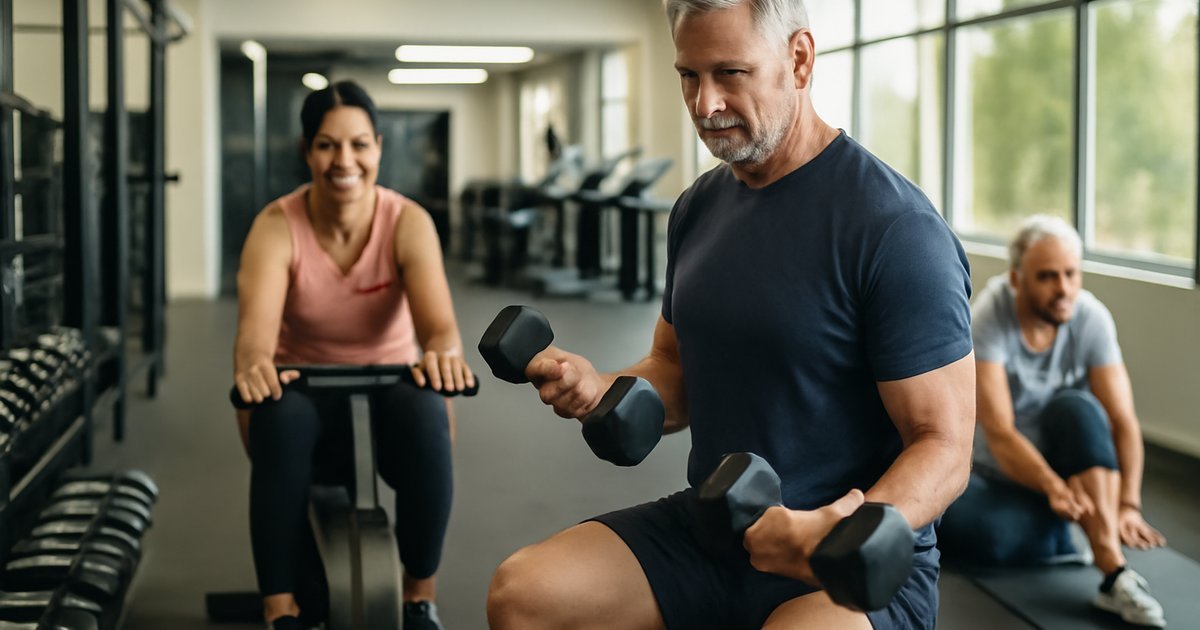
  • HIIT for Beginners: A Safe Start Guide for Adults Over 30

    HIIT for Beginners: A Safe Start Guide for Adults Over 30

    HIIT for Beginners: A Safe Start Guide for Adults Over 30

    High-intensity interval training can transform your fitness — but only if you start the right way.

    Introduction

    Mark, 44, had spent years avoiding anything labeled "intense." Between a desk job, two kids, and a knee that occasionally reminded him of his college soccer days, the idea of high-intensity exercise felt more like a threat than an invitation. Then his doctor told him his resting heart rate was creeping up and his blood pressure was "something to watch." That conversation changed everything.

    According to the American Heart Association, fewer than 25% of American adults meet both aerobic and muscle-strengthening guidelines — and the gap widens significantly after age 30. Yet one of the most time-efficient, clinically supported forms of exercise available today is HIIT — high-intensity interval training — a method that alternates short bursts of intense effort with recovery periods.

    The good news? HIIT for beginners doesn't look like what you see on social media. Done correctly, it's safe, adaptable, and profoundly effective — even if you haven't exercised in years. This guide will show you exactly how to start, what to expect, and how to protect your joints, heart, and long-term health along the way.

    What Is HIIT? A Plain-English Definition

    HIIT — high-intensity interval training — is a structured workout format that alternates between short bursts of elevated effort and brief periods of active rest or complete recovery. A classic beginner format might look like 20 seconds of brisk effort followed by 40 seconds of walking or rest, repeated for 15 to 20 minutes total.

    The "high intensity" part is relative to your own fitness level — not an absolute standard. For someone just starting out, a brisk walk that raises your heart rate to 70–80% of your maximum qualifies. You do not need to sprint, jump, or push through pain to benefit from this method.

    Research published in the Journal of Physiology found that short HIIT sessions — as brief as 10 to 20 minutes — can produce cardiovascular adaptations comparable to much longer moderate-intensity workouts. The NIH has recognized HIIT as one of the most efficient exercise strategies for improving cardiometabolic health in adults.

    For adults over 30 who are time-constrained, managing a chronic condition, or returning to fitness after a long break, HIIT offers a practical, evidence-backed entry point — as long as it's approached with appropriate structure and medical clearance when necessary.

    Signs You May Be Ready for HIIT — and Signs to Check with Your Doctor First

    Not everyone should jump into interval training without a conversation with their healthcare provider. Understanding your readiness is an essential first step.

    You may be ready to begin a beginner HIIT program if you:

    • Can walk briskly for 20 minutes without significant discomfort
    • Have no uncontrolled cardiovascular, respiratory, or metabolic conditions
    • Have received clearance from your doctor for moderate-to-vigorous exercise
    • Experience no chest pain, dizziness, or shortness of breath during everyday movement
    • Have been cleared to exercise after any recent surgery or injury

    You should speak with your physician before starting HIIT if you:

    • Have been diagnosed with hypertension, Type 2 diabetes, heart disease, or asthma
    • Are currently pregnant or recently postpartum
    • Experience joint pain, chronic back issues, or recent orthopedic injuries
    • Are on medications that affect heart rate (such as beta-blockers)
    • Have been sedentary for more than a year

    A 2022 meta-analysis published in the British Journal of Sports Medicine confirmed that HIIT is generally safe for adults with stable chronic conditions — including Type 2 diabetes and controlled hypertension — but individualized medical screening significantly reduces adverse event risk. This varies from person to person, and your doctor is your best guide.

    The Real Benefits of HIIT for Adults Over 30

    If you've been on the fence, the clinical evidence is worth knowing. HIIT isn't just a trend — it's one of the most well-researched exercise formats in sports medicine.

    Cardiovascular health: Clinical evidence from the Mayo Clinic indicates that HIIT improves VO2 max — a key measure of cardiovascular fitness — more effectively than continuous moderate exercise in the same amount of time. VO2 max is closely associated with longevity and heart health in adults over 40.

    Blood sugar regulation: Research published in Diabetes Care found that even a single session of HIIT improved insulin sensitivity for up to 24 hours afterward — a critical benefit for the 96 million American adults currently living with prediabetes, according to the CDC. If you're interested in how exercise affects blood sugar more broadly, our guide on Exercise and Blood Sugar Control: What Adults Need to Know provides a deeper dive.

    Fat loss and metabolic rate: HIIT has been shown to increase excess post-exercise oxygen consumption (EPOC) — commonly called the "afterburn effect" — meaning your metabolism remains elevated for hours after the session ends. Research suggests this effect is significantly greater than that produced by steady-state cardio of similar duration.

    Muscle preservation: Unlike prolonged cardio sessions, HIIT tends to preserve — and in some cases, build — lean muscle mass. This is particularly relevant for adults over 35, as muscle loss (sarcopenia) accelerates with age if not actively addressed through resistance or high-effort exercise.

    Mental health: A 2023 review in JAMA Psychiatry found that vigorous-intensity exercise, including HIIT, produced the largest reductions in anxiety and depression symptoms compared to other exercise types. The neurochemical response — including endorphin release and BDNF (brain-derived neurotrophic factor) production — is strongly stimulated by interval-based effort.

    Time efficiency: For adults managing full schedules, a beginner HIIT session can be completed in 15 to 25 minutes, making it one of the most practical fitness tools available. The American College of Sports Medicine recognizes HIIT as an effective strategy for adults who cite "lack of time" as a primary barrier to exercise.

    How to Structure a Beginner HIIT Workout: Step by Step

    A beginner HIIT session has three core components: warm-up, intervals, and cool-down. Skipping any of these — especially at the beginning of your training journey — significantly raises your injury risk.

    Step 1: Warm Up (5–7 Minutes)

    Start with gentle movement that gradually raises your heart rate. Marching in place, arm circles, hip rotations, and slow walking are all appropriate. The goal is to increase blood flow to muscles and prime your cardiovascular system before the more demanding intervals begin.

    Step 2: Work Intervals (10–15 Minutes to Start)

    For your first four weeks, a 1:2 work-to-rest ratio is most appropriate. This means for every 20 seconds of elevated effort, you take 40 seconds of easy movement or rest. Aim for 6 to 10 intervals in your first sessions.

    Beginner-friendly HIIT exercises (low-impact options):

    • Brisk walking or marching in place (elevated effort phase)
    • Step touches or side steps (lower intensity phase)
    • Seated or standing knee raises
    • Modified jumping jacks (step out instead of jumping)
    • Wall push-ups or chair-assisted squats
    • Standing bicycle crunches

    You don't need to jump, run, or perform plyometric movements to benefit from HIIT. Clinical evidence suggests that the cardiovascular and metabolic benefits are driven by heart rate elevation — not the specific movement used to achieve it.

    Step 3: Cool Down (5 Minutes)

    Slow your movement gradually. Never stop abruptly after intense intervals — this can cause blood to pool in your lower extremities and may trigger dizziness. Walk slowly, then transition into static stretches focusing on the hamstrings, hip flexors, calves, and shoulders.

    Sample 4-Week Beginner HIIT Schedule

    • Week 1–2: 2 sessions per week | 6–8 intervals | 20 sec work / 40 sec rest | Total: 15–18 min
    • Week 3–4: 2–3 sessions per week | 8–10 intervals | 25 sec work / 35 sec rest | Total: 18–22 min

    Rest at least one full day between HIIT sessions. Your body adapts to the training during recovery — not during the workout itself. For complementary training on your off days, consider a Circuit Training for Adults session at lower intensity, or light walking.

    How to Measure Intensity Without Overexerting Yourself

    One of the most common beginner mistakes in HIIT is going too hard, too soon. Monitoring your effort accurately is essential for both safety and results.

    The Talk Test: During your work intervals, you should be breathing hard enough that speaking in full sentences is difficult — but not so hard that you cannot string together a few words. If you cannot speak at all, ease back.

    Perceived Exertion Scale (RPE): On a scale of 1 to 10, your work intervals should feel like a 6 to 7 — challenging but manageable. Your rest periods should drop you to a 3 to 4.

    Heart Rate Zones: For adults over 30, most physicians recommend targeting 70–85% of your maximum heart rate during work intervals. A simple estimate: 220 minus your age = estimated maximum heart rate. At 44 years old, for example, that's approximately 176 bpm maximum, with a target of 123–150 bpm during effort.

    Wearable fitness trackers can help you monitor heart rate in real time, though they should not replace formal medical monitoring if you have a cardiovascular condition.

    Living With Your HIIT Routine: Practical Tips for Staying Consistent

    The biggest predictor of fitness success isn't intensity — it's consistency. Building a sustainable HIIT habit over weeks and months produces far greater results than occasional all-out efforts.

    Schedule your sessions like appointments. Block 25–30 minutes on your calendar two to three times per week and treat them as non-negotiable. Morning sessions, in particular, are associated with higher adherence rates, according to research published in Preventive Medicine Reports. For tips on making morning workouts stick, see our guide on Morning Exercise Routine: Benefits & How to Build One.

    Track your progress, not just your effort. Keep a simple log of your intervals, how you felt, and your heart rate response. You'll start to notice that what felt difficult in Week 1 becomes more manageable by Week 4 — a reliable sign your cardiovascular fitness is improving.

    Prioritize sleep and nutrition. HIIT places real demands on your body. Adults performing regular interval training benefit from 7–9 hours of sleep per night and adequate protein intake — most sports medicine specialists recommend 1.2–1.6 grams of protein per kilogram of body weight daily for active adults. Discuss specific nutrition targets with your physician or a registered dietitian.

    Modify before you quit. If a session feels too hard — or if you're managing soreness, stress, or illness — modify the effort rather than skipping. A lighter version of your planned workout is always better than no workout at all. This varies from person to person, and listening to your body is a skill worth developing.

    When to Call Your Doctor — Emergency Signs During Exercise

    HIIT is safe for most adults when approached correctly, but it does elevate cardiac demand. Knowing when to stop immediately is not optional — it is essential.

    Stop exercising immediately and seek emergency care if you experience:

    • Chest pain, pressure, tightness, or squeezing — even mild
    • Sudden severe shortness of breath disproportionate to effort
    • Dizziness, fainting, or near-fainting
    • Irregular or racing heartbeat that does not resolve with rest
    • Sudden weakness or numbness in your face, arm, or leg
    • Severe headache with no clear cause

    Call your doctor (non-emergency) if you notice:

    • Persistent joint pain that worsens over several sessions
    • Unusual fatigue that doesn't improve with rest days
    • Heart rate that stays elevated more than 15 minutes after cooling down
    • Muscle soreness that lasts more than 5 days after a session

    The American College of Cardiology recommends that adults over 40 who have been sedentary for more than a year undergo a physical exam — and potentially a stress test — before beginning vigorous interval training. Talk to your doctor before your first HIIT session if there's any uncertainty about your cardiac health.

    Frequently Asked Questions About HIIT for Beginners

    Q: How many days a week should a beginner do HIIT?
    A: Most clinical guidelines recommend starting with 2 sessions per week, separated by at least one rest or light activity day. Gradually increasing to 3 sessions per week over four to six weeks is appropriate for most beginners. More is not always better — adequate recovery is essential for adaptation and injury prevention.

    Q: Is HIIT safe if I have high blood pressure?
    A: Research suggests that HIIT can actually improve blood pressure over time for many adults with hypertension — but it must be approached carefully and ideally with physician supervision. If your blood pressure is uncontrolled (above 160/100 mmHg), most cardiologists recommend achieving better control before beginning vigorous interval training. Always check with your doctor first.

    Q: Do I need any equipment to start HIIT at home?
    A: No. Effective beginner HIIT workouts require no equipment at all. Your body weight, a timer (even on your phone), and enough space to take a few steps are sufficient. Supportive athletic shoes are recommended to reduce joint stress.

    Q: Will HIIT help me lose weight?
    A: Clinical evidence indicates that HIIT supports fat loss — particularly abdominal fat — when combined with appropriate nutrition and caloric balance. A 2018 meta-analysis in the journal Obesity Reviews found that HIIT produced significantly greater reductions in body fat percentage compared to moderate-intensity continuous exercise, especially around the waist. However, exercise alone without dietary attention rarely produces substantial or sustained weight loss.

    Q: I have bad knees — can I still do HIIT?
    A: Many adults with knee concerns can participate in modified, low-impact HIIT. Avoiding jumping movements, focusing on seated or water-based intervals, and building strength in supporting muscles (quadriceps, glutes, hamstrings) can make HIIT accessible for those with knee issues. A physical therapist can help design a safe, knee-friendly program tailored to your specific condition.

    Conclusion

    Starting HIIT after 30 is not about becoming an athlete overnight. It's about using one of the most clinically validated, time-efficient tools available to protect your heart, regulate your metabolism, preserve your muscle mass, and improve your mental health — all in sessions that fit into a real adult life.

    Mark eventually built up to three beginner HIIT sessions per week. Four months later, his resting heart rate had dropped, his blood pressure had normalized, and — more importantly — he felt capable again. That's what this is really about.

    Start conservatively. Listen to your body. Get your doctor's input if you have any health concerns. And remember: the best workout is the one you'll actually do consistently — and build on over time.


    Medical Disclaimer: This article is for informational and educational purposes only. It does not constitute medical advice, diagnosis, or treatment. Always consult your physician or a qualified healthcare provider before making changes to your health routine or treatment plan.

    Medically reviewed by our editorial health team. Content follows evidence-based standards aligned with CDC and NIH guidelines.

  • Gym Workouts for Adults: Build a Routine That Sticks

    Gym Workouts for Adults: Build a Routine That Sticks

    Gym Workouts for Adults: Build a Routine That Sticks

    Whether you’re stepping into a gym for the first time in years or trying to finally make exercise a consistent habit, the right structure makes all the difference.

    Introduction

    Michael, 47, had signed up for a gym membership three times in five years. Each time, he went hard for two weeks — then stopped. Sound familiar? You’re not alone. According to the CDC, only about 24% of American adults meet the federal physical activity guidelines for both aerobic and muscle-strengthening exercise. And gym dropout rates spike dramatically within the first 90 days.

    The problem usually isn’t motivation. It’s structure. Most adults walk into a gym without a clear plan, push too hard too soon, and either get injured or burned out before results appear.

    This guide is designed to change that. You’ll learn how to build a gym workout routine tailored to your age, fitness level, and health goals — one that supports long-term cardiovascular health, muscle preservation, metabolic function, and mental well-being. Whether you’re managing a chronic condition, recovering from a sedentary period, or simply ready to commit, this is your roadmap.

    What Is a Gym Workout Routine — and Why Does Structure Matter?

    A gym workout routine is a planned, repeatable schedule of physical exercise performed in a fitness facility, typically combining cardiovascular training, resistance work, and mobility exercises. The key word here is planned.

    Research published in the Journal of Behavioral Medicine found that adults who exercised with a pre-set plan were significantly more likely to maintain their routine at 6 and 12 months compared to those who exercised spontaneously. Structure reduces decision fatigue — one of the biggest hidden barriers to gym consistency.

    For adults between 30 and 70, a well-structured gym routine matters even more. After age 30, the body naturally begins losing about 3–5% of muscle mass per decade — a process called sarcopenia. Bone density also begins to decline, especially after 40. A targeted gym routine addresses both of these processes simultaneously.

    The goal isn’t to train like an athlete. The goal is to train consistently, intelligently, and safely — in a way that fits your real life.

    Signs You Need a More Structured Gym Approach

    Not everyone who goes to the gym is truly training effectively. Here are signs that your current gym habits may not be serving your health as well as they could:

    Early warning signs of an ineffective routine:

    • You repeat the same exercises every session without progression
    • You feel sore for more than 72 hours after most workouts
    • You feel exhausted rather than energized after training
    • You’ve plateaued — no visible progress in strength, endurance, or body composition
    • You feel anxious or overwhelmed when you walk into the gym
    • You frequently skip sessions without a real reason

    Signs your body may need medical clearance before starting:

    • Chest tightness or shortness of breath during mild physical activity
    • Dizziness or heart palpitations at rest or during exercise
    • Uncontrolled hypertension (blood pressure above 180/110 mmHg)
    • Recent surgery, joint replacement, or orthopedic injury
    • Unmanaged diabetes with blood sugar instability

    If any of the second group applies to you, talk to your physician before beginning or significantly modifying a gym routine. The American College of Sports Medicine (ACSM) recommends medical clearance for adults with cardiovascular disease risk factors before engaging in vigorous exercise.

    Causes of Gym Dropout — and What Actually Works

    Understanding why most people quit the gym is the first step to not becoming a statistic. A 2023 analysis from the National Institutes of Health (NIH) identified the most common reasons adults abandon gym routines within 90 days:

    • No clear goal: Vague intentions like “get in shape” don’t provide direction
    • Starting too intensely: Overtraining causes injury and burnout in beginners
    • Unrealistic expectations: Expecting visible results within 2 weeks leads to disappointment
    • Poor scheduling: Not treating workouts as fixed appointments
    • Social intimidation: Feeling out of place in a gym environment
    • No accountability: Training alone without check-ins or tracking

    Research consistently shows that the most effective approach for long-term gym adherence combines specific goal-setting, gradual progression, social support, and habit-stacking (linking gym time to an existing daily behavior like commuting or lunch breaks).

    This varies from person to person — what works brilliantly for one adult may feel unnatural for another. The key is experimenting within a structured framework until you find what fits your lifestyle.

    Diagnosis: Assessing Your Starting Point

    Before you write a single workout plan, you need to honestly assess where you are physically. Think of this as your baseline — the equivalent of a lab panel before starting a new medication.

    Key areas to self-assess (or have assessed by a trainer or physical therapist):

    • Cardiovascular fitness: Can you walk briskly for 20 minutes without stopping?
    • Muscular strength: How many bodyweight squats or push-ups can you complete with good form?
    • Flexibility and mobility: Can you touch your toes? Do you have joint stiffness in the morning?
    • Balance: Can you stand on one foot for 10 seconds with your eyes closed?
    • Current activity level: Are you sedentary, lightly active, or moderately active?

    Many gyms offer complimentary fitness assessments with a certified personal trainer. Taking advantage of this — even once — gives you objective data to build from.

    If you have a chronic condition such as type 2 diabetes, hypertension, or osteoporosis, your physician may refer you to a clinical exercise physiologist — a specialist trained to design exercise programs for medically complex patients. The CDC strongly supports exercise as a therapeutic tool for most chronic conditions, with appropriate medical supervision.

    Treatment: How to Build a Gym Routine That Works

    Think of your gym routine as a prescription — it should have specific components, doses, and a plan for progression. Here’s how clinical evidence and exercise science support a structured approach for adults aged 30–70.

    The Four Pillars of an Effective Adult Gym Routine

    1. Cardiovascular Training (2–5 days per week)
    Aerobic exercise strengthens the heart, improves insulin sensitivity, reduces blood pressure, and supports mood. The American Heart Association (AHA) recommends at least 150 minutes of moderate-intensity or 75 minutes of vigorous-intensity aerobic activity per week for adults.

    At the gym, this includes the treadmill, stationary bike, elliptical, stair climber, and rowing machine. Moderate intensity means you can talk but not sing. A helpful reference: our guide to Rowing Machine Workouts: Full-Body Fitness for Adults covers one of the most underused cardio tools in the gym.

    2. Resistance Training (2–3 days per week)
    Strength work is non-negotiable for adults. A landmark meta-analysis published in the British Journal of Sports Medicine found that muscle-strengthening exercise reduces all-cause mortality risk by up to 23% in adults who meet recommended volumes. This includes free weights, machines, cable systems, and bodyweight movements.

    Focus on compound movements that work multiple muscle groups simultaneously: squats, deadlifts, rows, chest presses, and overhead presses. These build functional strength — the kind that helps you carry groceries, climb stairs, and avoid falls. For adults starting from scratch, our article on Strength Training for Adults: Benefits, How to Start & Tips provides a detailed beginner framework.

    3. Flexibility and Mobility Work (Daily or 3–5 days per week)
    Stretching and joint mobility work reduce injury risk, improve posture, and decrease the muscular stiffness that many adults in their 40s and 50s experience. Clinical evidence suggests that regular flexibility training reduces the risk of lower back pain — one of the leading causes of disability in the U.S., according to the NIH.

    Incorporate 10–15 minutes of dynamic stretching before workouts and static stretching afterward. Many gyms also offer dedicated flexibility or mobility classes.

    4. Balance and Stability Training (2–3 days per week)
    Balance declines significantly after age 50, and the CDC reports that falls are the leading cause of injury-related death among adults 65 and older. Simple balance exercises — single-leg stands, stability ball work, and Bosu ball training — can meaningfully reduce fall risk when practiced consistently.

    Sample Weekly Gym Schedule (Beginner to Intermediate)

    • Monday: 30-minute moderate cardio + 10-minute mobility
    • Tuesday: Full-body strength training (compound movements, 2-3 sets each)
    • Wednesday: Active recovery — light walk, stretching, or yoga
    • Thursday: 30-minute cardio + balance exercises
    • Friday: Upper/lower body strength split or circuit training
    • Saturday: Longer cardio session (45–60 min, moderate intensity)
    • Sunday: Full rest or gentle movement

    This schedule is a starting point, not a prescription. Adjust based on your recovery, schedule, and how your body responds week to week.

    Living With Your Gym Routine: Making It Sustainable

    The best gym routine is the one you actually do. Here’s what research and clinical experience say about keeping it going long-term:

    Track your progress: A simple workout log — even a notes app — helps you see improvement and stay motivated. Research from the NIH shows that self-monitoring significantly improves adherence to exercise programs over 12 months.

    Progress gradually: Increase weight, reps, or duration by no more than 5–10% per week. This is the principle of progressive overload — the foundation of all physical improvement — and it dramatically reduces injury risk.

    Prioritize recovery: Sleep, nutrition, and rest days are not optional extras. Muscle is built during recovery, not during the workout itself. Adults over 50 generally require slightly more recovery time between intense sessions than younger adults.

    Find your people: A gym buddy, group fitness class, or personal trainer creates accountability. A Mayo Clinic review found that social support is one of the strongest predictors of long-term exercise adherence in adults over 40.

    Manage your expectations: Meaningful, sustainable changes in strength, endurance, and body composition typically take 8–12 weeks of consistent effort to become clearly visible. Clinical evidence suggests, however, that improvements in mood, sleep quality, and energy levels often appear within the first 2–4 weeks.

    For adults managing blood sugar concerns, regular gym training offers particular benefits — learn more in our guide to Exercise and Blood Sugar Control: What Adults Need to Know.

    When to Call Your Doctor — Emergency Signs and Red Flags

    Exercise is overwhelmingly safe for most adults when approached appropriately. However, certain symptoms during or after gym workouts require immediate medical attention.

    Call 911 or go to the ER immediately if you experience:

    • Chest pain, pressure, or tightness during exercise
    • Severe shortness of breath disproportionate to effort
    • Sudden dizziness, fainting, or loss of consciousness
    • Heart palpitations that feel like pounding or irregular heartbeat
    • Sudden severe headache during exercise
    • Numbness or weakness in one arm, leg, or side of the face

    Schedule a doctor’s visit soon if you notice:

    • Joint pain (not muscle soreness) that persists beyond 48 hours
    • Consistent fatigue that doesn’t improve with rest
    • Unexplained weight loss during a training program
    • Blood pressure readings consistently above 140/90 mmHg after exercise
    • New or worsening symptoms related to a managed condition

    At your next routine checkup, consider telling your doctor exactly what gym routine you’re following. Most physicians will want to know your activity level — it directly informs how they manage medications, blood pressure targets, and metabolic markers like HbA1c.

    Frequently Asked Questions

    How many days a week should an adult go to the gym?
    Most clinical guidelines, including those from the ACSM and AHA, recommend a minimum of 3–5 days per week for adults seeking general health benefits. Beginners may start with 3 days and build up gradually. Rest and recovery days are equally important — they are when your body adapts and improves.

    Is it safe to lift weights at 60 or 65?
    Yes — and it’s actually especially important. Research from the NIH shows that resistance training at any age helps preserve bone density, reduce fall risk, and maintain functional independence. Older adults should start conservatively, prioritize form over load, and consider working with a certified trainer initially.

    What should I eat before and after a gym workout?
    General guidance from sports nutrition research suggests consuming a light carbohydrate-and-protein snack 60–90 minutes before training and a protein-rich meal within 2 hours after. Individual needs vary depending on health status, goals, and medications. A registered dietitian can provide personalized guidance.

    How long before I see results from gym workouts?
    This varies from person to person. Most adults notice improvements in mood, energy, and sleep within 2–3 weeks. Measurable changes in strength typically appear within 4–6 weeks. Visible body composition changes generally take 8–12 weeks of consistent training and appropriate nutrition, according to clinical exercise research.

    Should I do cardio or strength training first?
    Research suggests that the order depends on your primary goal. If building strength is your priority, most exercise scientists recommend performing resistance training before cardio, since fatigue from cardio can reduce the quality of your strength work. If cardiovascular endurance is your focus, reverse the order. On most days, either approach is acceptable — the most important thing is that you complete both components.

    Conclusion

    Building a gym routine that actually sticks isn’t about willpower — it’s about structure, appropriate progression, and choosing an approach that fits your life and your health. For adults between 30 and 70, consistent gym training is one of the most evidence-backed strategies available for managing weight, protecting heart health, preserving muscle and bone, and improving mental well-being.

    Start where you are. Use what the gym offers. Progress slowly and track your results. And always keep your physician in the loop — especially if you’re managing a chronic condition.

    You don’t need a perfect routine. You need a consistent one. The best time to start was years ago. The second best time is today.


    Medical Disclaimer: This article is for informational and educational purposes only. It does not constitute medical advice, diagnosis, or treatment. Always consult your physician or a qualified healthcare provider before making changes to your health routine or treatment plan.

    Medically reviewed by our editorial health team. Content follows evidence-based standards aligned with CDC and NIH guidelines.